image (72)

Study Trip to Kraków | Auschwitz

W-Seminar History | Anna Kranzbühler Garcia, Coline Körper, Liv Erdmann, Q12

“Resistance did not always have to mean fighting with weapons. Many of the thousands of Jews imprisoned in the Kraków Ghetto, as in other ghettos in occupied Poland, began their private struggle against the Nazis and their collaborators by trying to preserve their own dignity. Even a small gesture towards another person or an ordinary, everyday activity performed despite everything, against hopelessness and resignation, could be an act of resistance.”

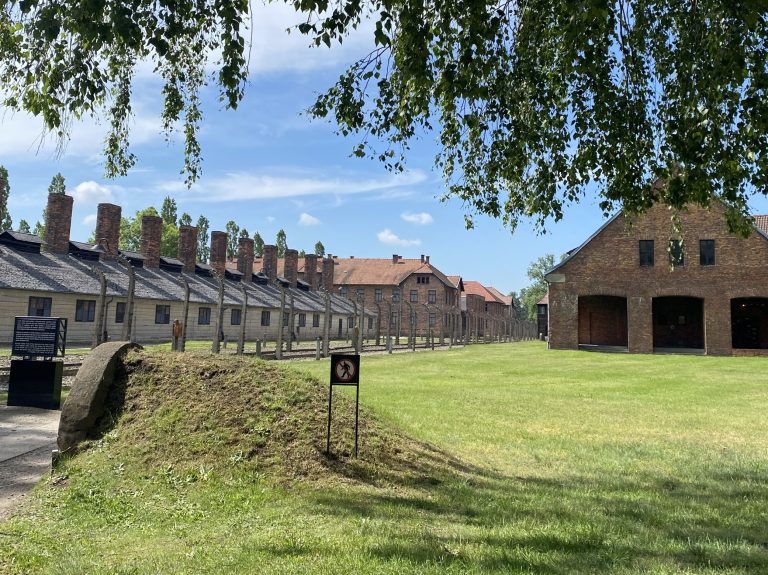
Today’s memorial site in Auschwitz

In this historical context, too, the study trip of the W-Seminar History, accompanied by Mr Ziegler and Mr Kollmeier, which took us from 22 May to 25 May to Kraków. After a exciting, yet somewhat unaccustomed journey by the night train we arrived in Kraków in the early morning of 23 May in. Our first item on the programme was a visit to St. Mary’s Basilica, followed by a tour of Wawel Castle. Nor a walk through a local market could be missed. Surprisingly, we even discovered traces of the Way of St. James. After a brief refreshment, we rather by chance came across a memorial to the Jewish resistance in the Kraków Ghetto – a moving moment, that fit perfectly with the overall theme of our W-Seminar .

Afterwards we visited we a synagogue as well as the Jewish cemetery of the city. At around 3 PM we reached our apartment and were able for the shared dinner prepare. Over typical Polish dishes – including pierogi and sourdough soup – we brought the eventful day to a close.

On the following day, the visit to the concentration camp Auschwitz I as well as the extermination camp Auschwitz-Birkenau was on the programme. Already on the train journey there , each of us was given an individual fate of a former Häftlings. Diese Biografien sollten wir unseren Klassenkamerad/- innen präsentieren. So wurde das abstrakte topic became more tangible and more personal; what had happened was given a face, a name, a story – it became more imaginable.

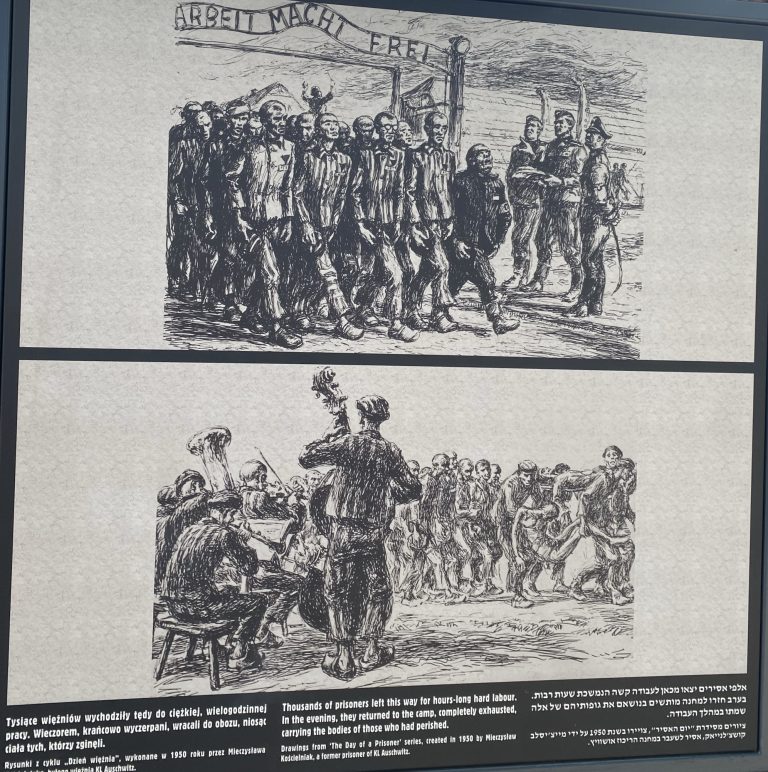
Memorial plaque in Auschwitz

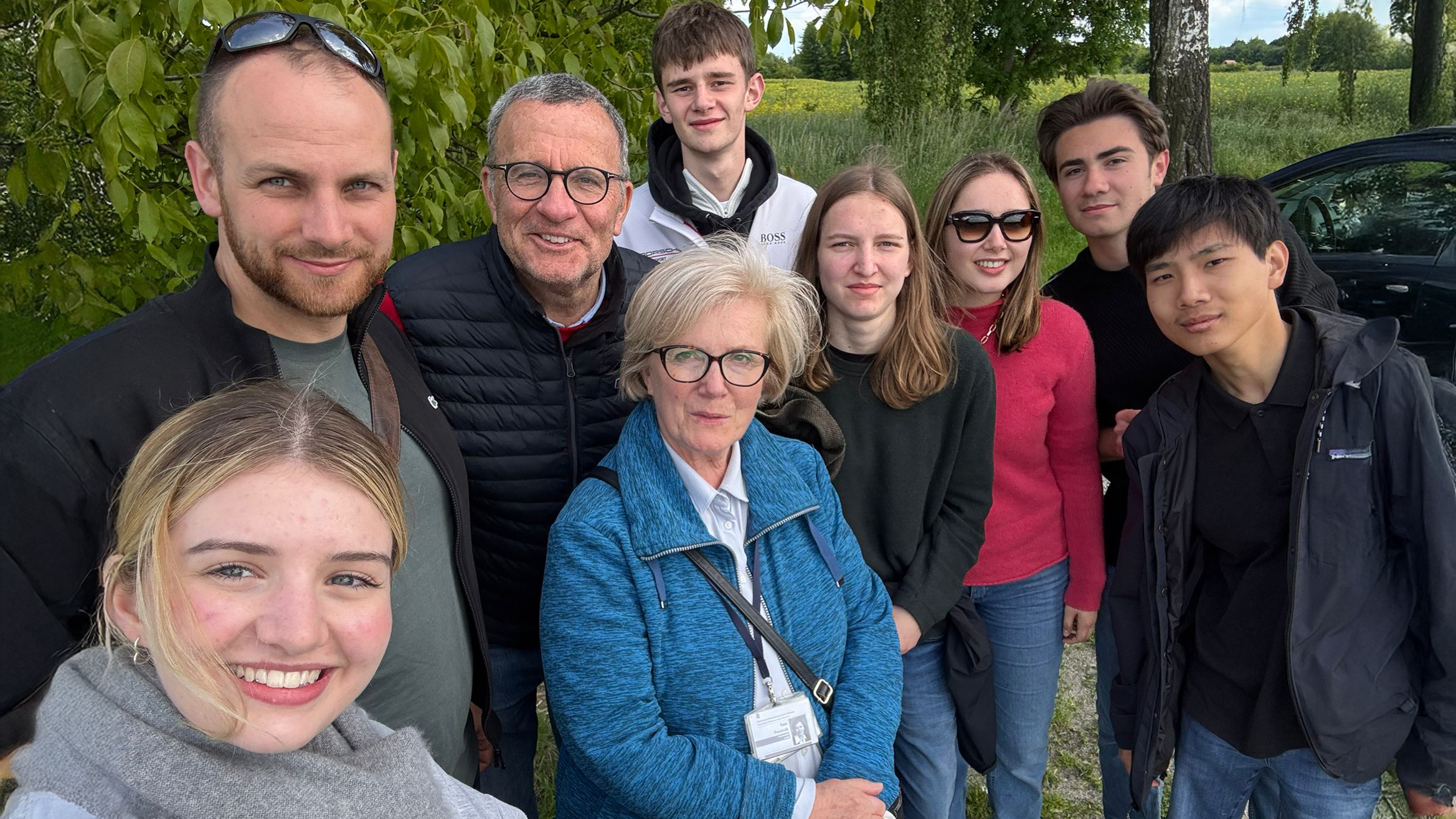
On site we had we the great good fortune, to receive a private guided tour from Eva (see title image), an acquaintance of Mr Ziegler. The impressions were shattering and formative: We heard the names of the victims, saw the barracks, personal items such as hair, shoes and clothing of the prisoners as well as exhibitions on German propaganda and on Jewish life before the Holocaust. This day was without doubt one of the most impressive, most terrible and most instructive of our trip and stood in direct relation to our seminar topic. 
 
In the evening we went to a Jewish restaurant, where we tried various specialities such as, Hummus, bean dishes, carp balls, trout, lamb and traditional desserts tried. In this special atmosphere we were able we the Jewish life once again from a cultural perspective to get to know and the day together reflect. 


On the last day, a visit to the National Museum in Kraków was planned. We were particularly impressed by the world-famous painting “Lady with an Ermine” by Leonardo da Vinci. Afterwards we set off on the journey home to Stein.

The study trip to Kraków was an impressive and at the same time shattering experience. However, we now look forward to preparing our seminar papers and letting the insights we have gained flow into them.

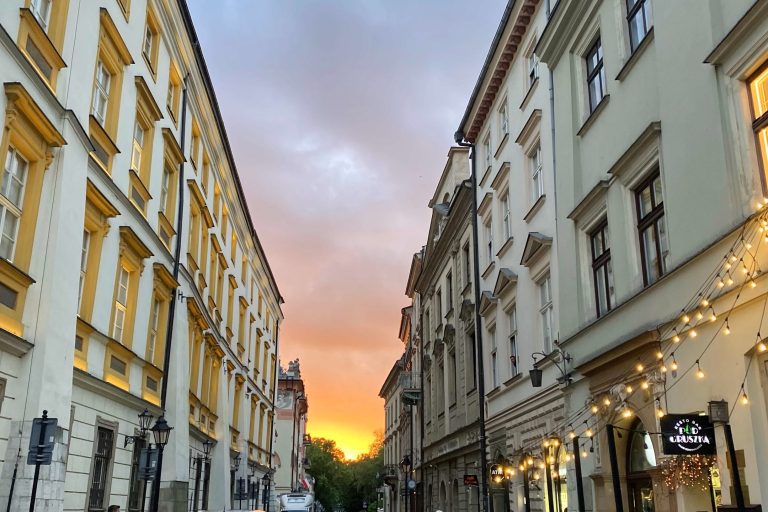
Sunset in Kraków