March | 2026
The W-seminar is a central component of the upper secondary school level in Bavaria. Over the course of one and a half years, students work intensively on a scientific topic, learn methods of scientific work and write a comprehensive seminar paper. The aim is to promote independent research and prepare students specifically for the demands of university studies.
Also at the Schule Schloss Stein are created as part of the W-seminars regularly produce remarkable works. One particular example is the completed W-Seminar in History under the direction of Korbinian Kollmeier.
“The seminar paper by Anna Kranzbühler García is dedicated to a chapter of regional Nazi history that has received little attention to date and impressively demonstrates the contribution that school research can make to the culture of remembrance.”
Korbinian Kollmeier | History teacher & seminar leader
In which subject did you write your W seminar paper and why?
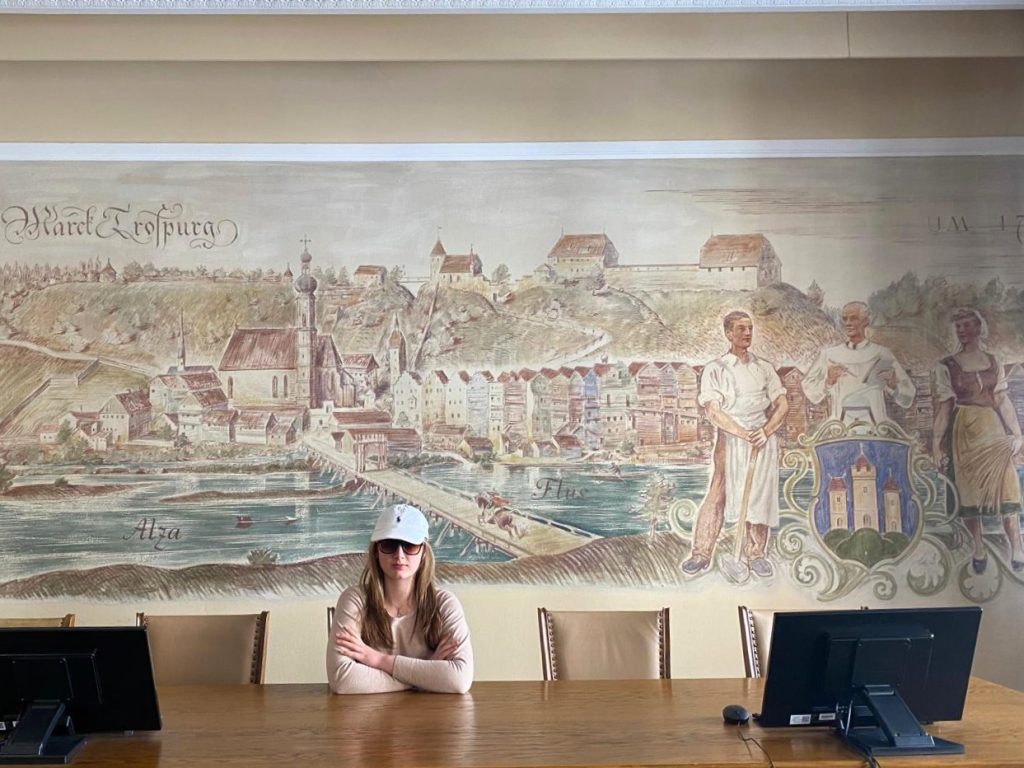
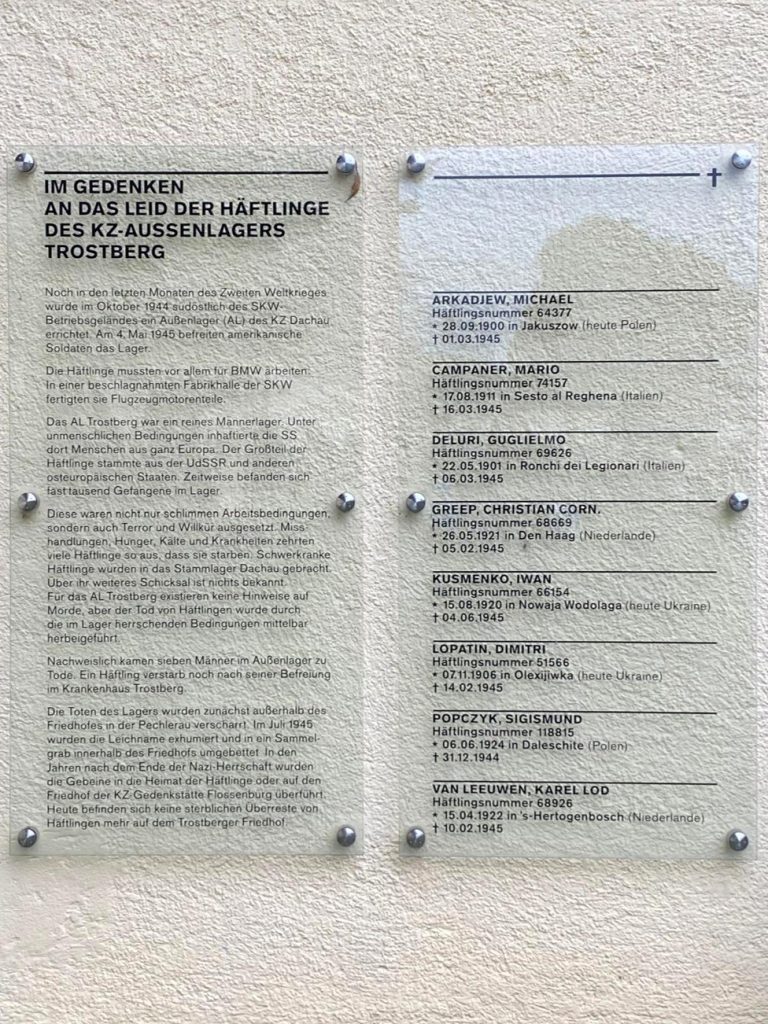
I wrote my seminar paper with Mr. Kollmeier in the subject of history. The general topic of our seminar was coming to terms with and remembering the Nazi era at a local level. Specifically, I wrote about the Spaniards in the Trostberg subcamp.
Why did you choose this particular topic?
I’m generally interested in history, especially with a local connection. Although I’ve been at school for four years now, I wasn’t particularly familiar with local history before. The Trostberg subcamp, which only a few people know about to this day, was therefore an exciting starting point for me. The topic “Spaniards in Trostberg Subcamp” also arose from my personal connection to Spain, as I am half Spanish. Until then, I knew very little about the existence of Spaniards in the concentration camp system.
What was the most exciting realization for you during the research?
I was surprised by how differently Spain deals with its past compared to Germany. The interview with a historian from the Institute of Contemporary History in Munich was particularly valuable for me, as was the rare opportunity to correspond with the relatives of a Spanish prisoner of the Trostberg satellite camp. This enabled me to secure an interview for future generations.
How did you go about your research?
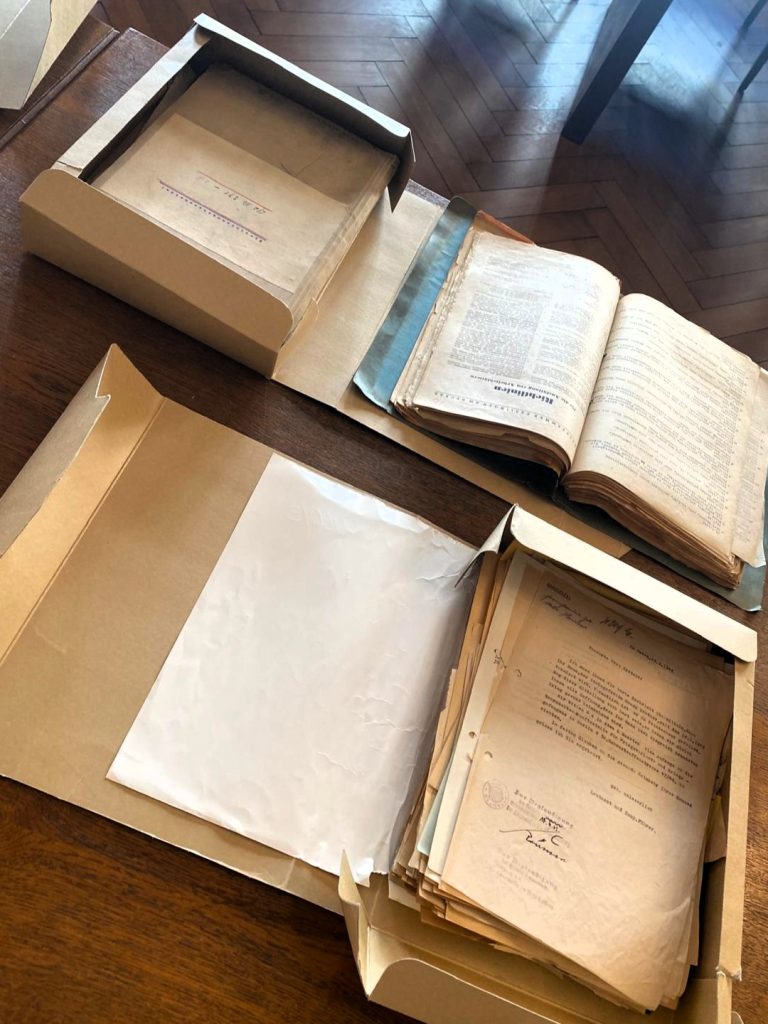
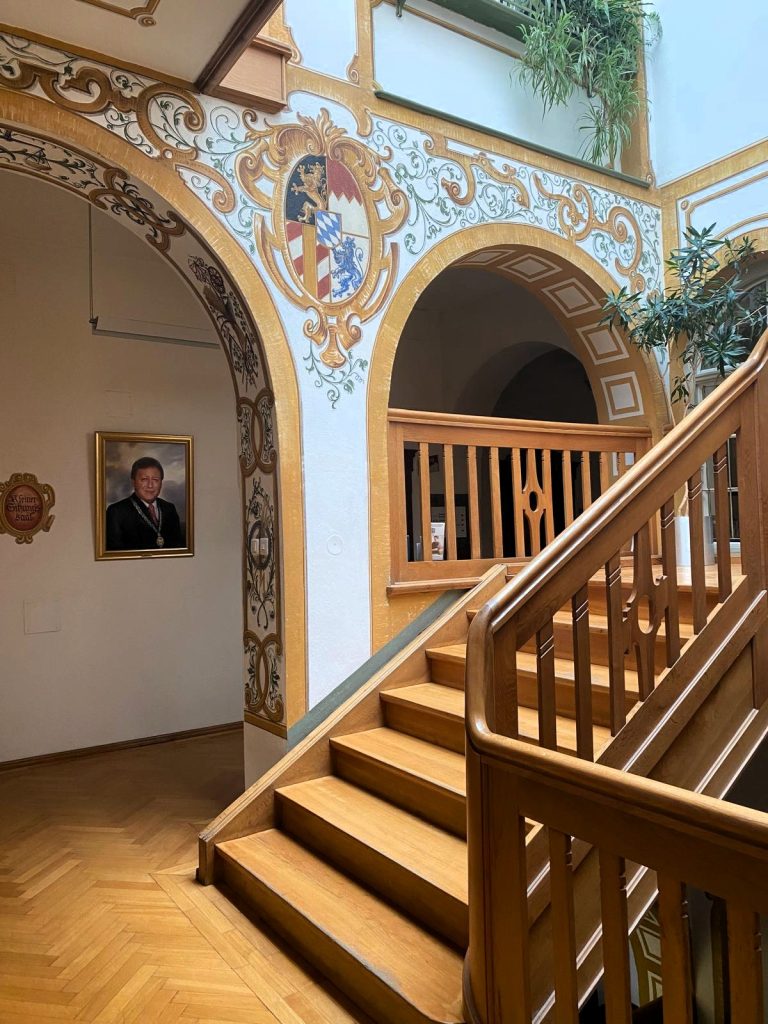
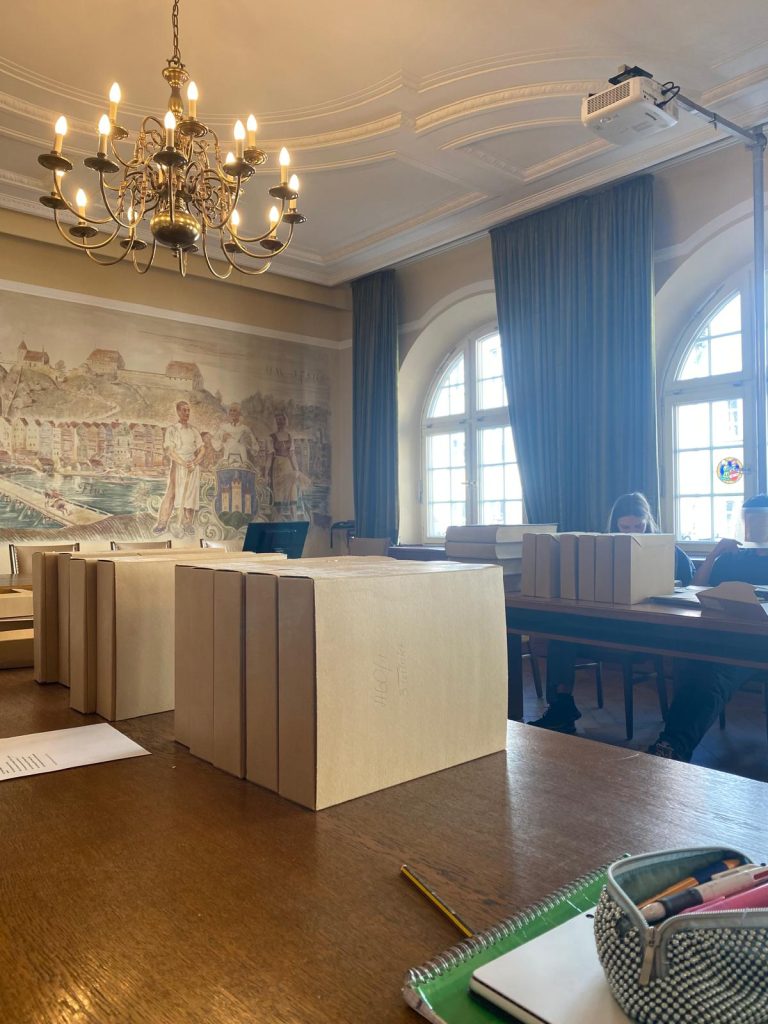
I did intensive research in online archives and in local archives. The starting point was a list of the Trostberg subcamp. I then wrote to the registry offices and town halls of the places where the prisoners were born. With the help of secondary literature, I was able to close existing gaps. As I was working with Spanish sources, I also had to translate a lot of content.
What was the biggest challenge in your work – and how did you overcome it?
The biggest challenge was my own perfectionism. I was very worried about the result, especially because of the historical responsibility of the topic. We actively campaigned against collective forgetting and tried to consciously remember historical events and personal fates. This demand created pressure to present everything as accurately and respectfully as possible.
What skills or experiences do you personally take away from the W-seminar?
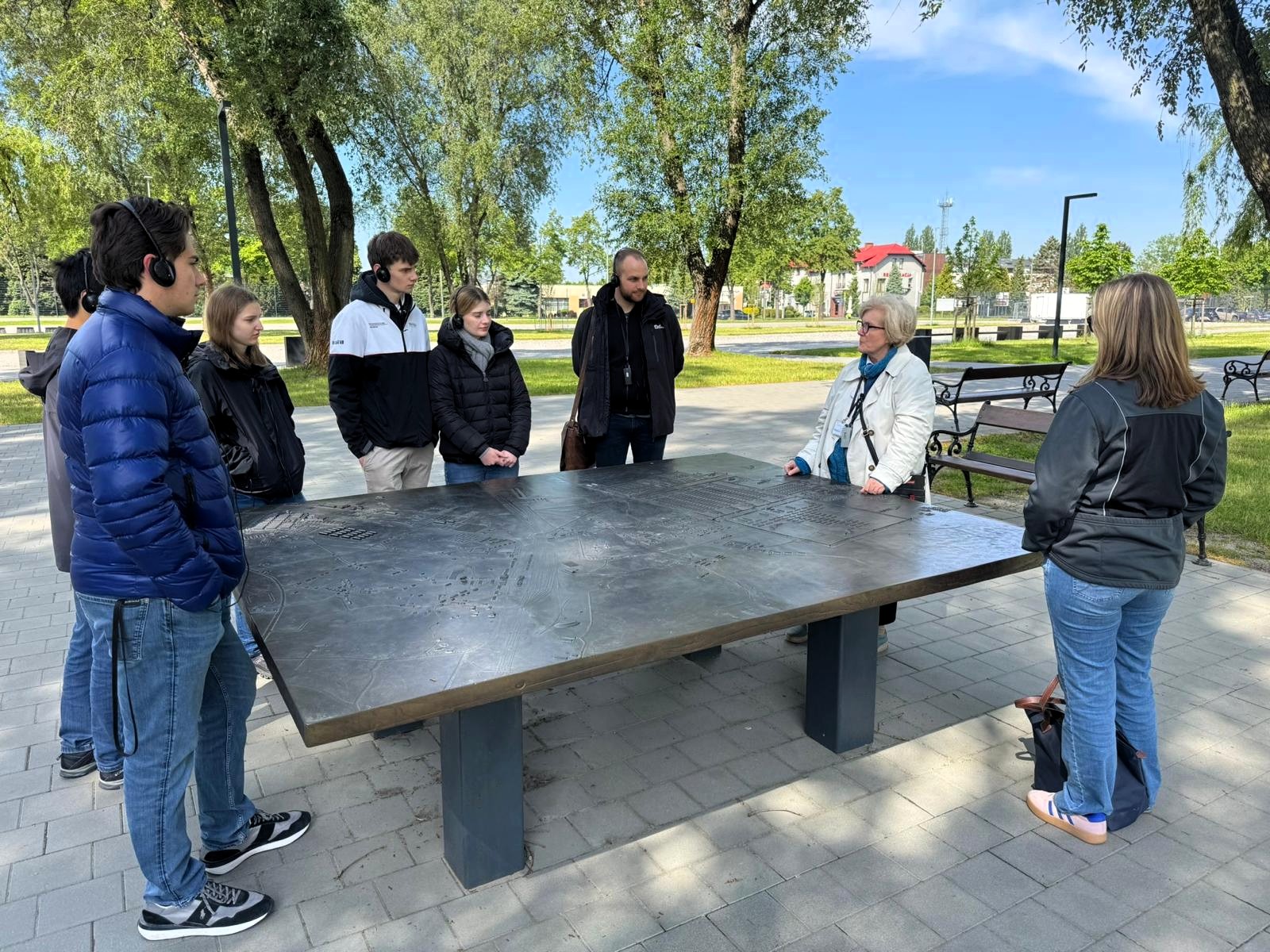
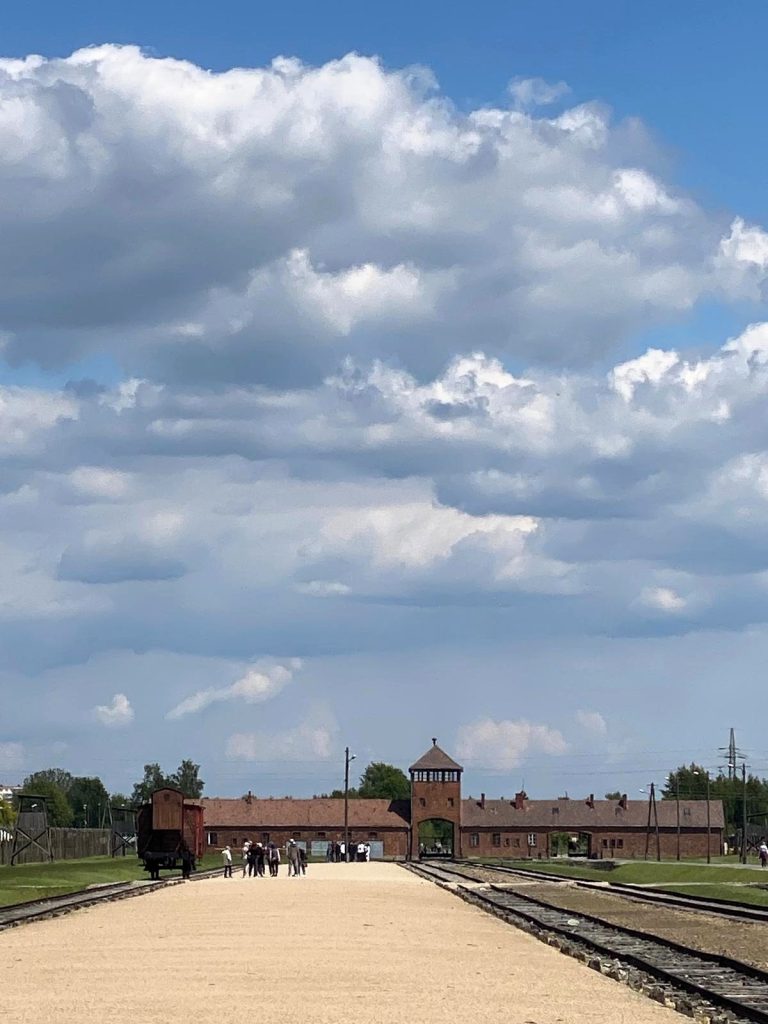
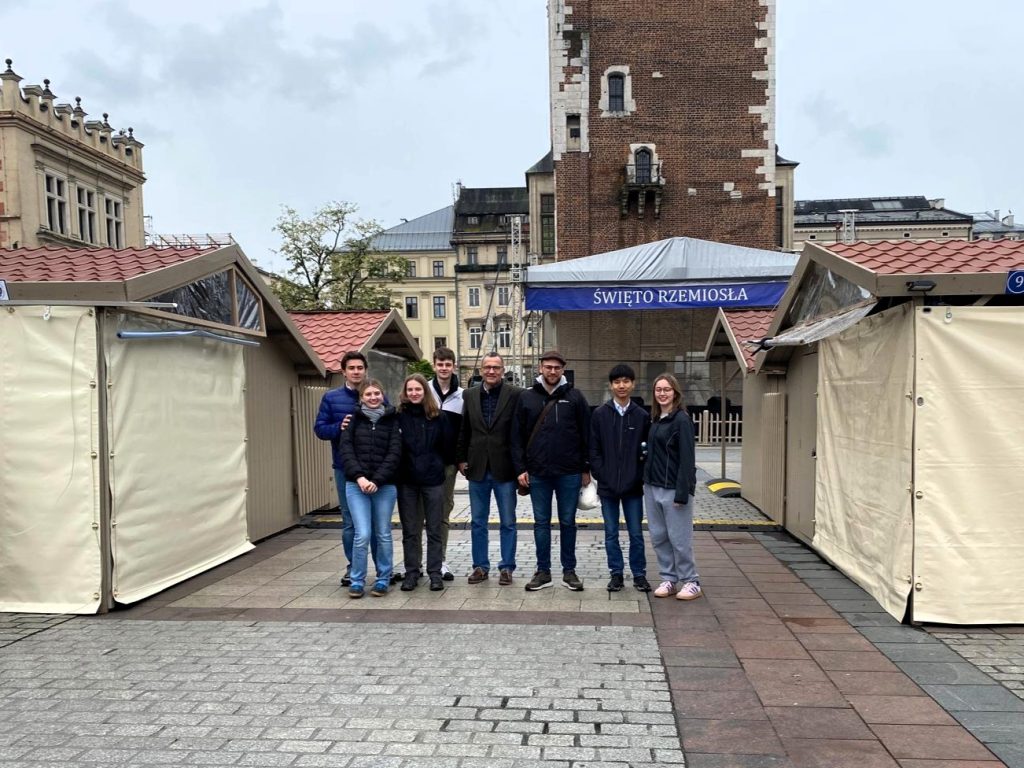
I learned to work in a structured and scientific way, to record my findings clearly and to jump over my own shadow. The sensitive interaction with the descendants of victims of National Socialism was also particularly formative. The study trip to Krakow was also an impressive experience, especially the visit to the concentration camp memorial site Auschwitz-Birkenau. I was able to deepen my knowledge of National Socialism there. Overall, we realized how important it is to deal responsibly with history – especially at a time when there are fewer and fewer contemporary witnesses and the culture of remembrance remains of fundamental importance for the preservation of our democracy.
What tip can you give to the next W seminar generation?
Don’t stress yourselves too much. At the end of the day, your commitment will lead to a very good result. Take the opportunity to try things out and gain experience that will help you later in your studies. Also, don’t be afraid to ask questions – the teachers will support you and want to guide you in the best possible way.
Your personal summary?
I would choose the subject again at any time. However, I would take some of the pressure off myself. I now know that I have achieved something very valuable and created a basis for further research. I am proud of that.
If you had to describe your W-seminar in three words?
Knowledge – Work – Responsibility
“I found Anna Kranzbühler García to be a very motivated and committed seminar participant. With her work and the time-consuming research she conducted for it, she succeeded in researching the fate of one of the hitherto largely unknown prisoners of the Trostberg satellite camp. Anna’s research makes the specific fate and path of Emeterio López López from the Spanish village of Ciruelos del Pinar to the Trostberg satellite camp transparent and thus not only provides access to the biography of an individual Nazi victim, but also makes a valuable contribution to the culture of remembrance in our region.”
Korbinian Kollmeier | History teacher & seminar leader
A special addition to the seminar was the joint study trip to Krakow was a special addition to the seminar. The visit to historical sites and memorials enabled the students to engage intensively with the history of National Socialism and impressively deepened the content developed in the seminar.
You can find a detailed report on the study trip here:
Study trip to Krakow and Auschwitz
To provide the best experiences, we and our partners use technologies like cookies to store and/or access device information. Consenting to these technologies will allow us and our partners to process personal data such as browsing behavior or unique IDs on this site and show (non-) personalized ads. Not consenting or withdrawing consent, may adversely affect certain features and functions.
Click below to consent to the above or make granular choices. Your choices will be applied to this site only. You can change your settings at any time, including withdrawing your consent, by using the toggles on the Cookie Policy, or by clicking on the manage consent button at the bottom of the screen.