anna kranzbühler garcia t.s.

Stein proudly presents: Anna Kranzbühler García

April | 2026

We already had a little bit of Anna in the previous blog article “Modern education: The W-Seminar History“, in which she was interviewed about her seminar work. Now it’s time to get to know her a little better.

Anna has been at Stein since the 9th grade. Her brother was also a student here and successfully completed his Abitur in 2024. Anna could be described as a real “happy-go-lucky” person: always up for fun, but realistic and respectful when things get serious. She is determined, organized, interested and helpful.

During Year 11, Anna spent a year in Canada to broaden her horizons and gain personal experience abroad. Here, too, her curiosity and strong desire to learn more and more became apparent.

In her free time, Anna loves dancing and going out with friends. She is a Steiner through and through, enjoys initiating projects or helping to implement them – for example, selling roses on Valentine’s Day, painting rooms in the cowshed with the girls or as a member of the vocal ensemble – and is involved in many other activities.

Anna is now in Q13 and will be writing her first Abitur exam in two weeks’ time. We will certainly miss her a lot next school year.

What I particularly like about Anna is her great social behavior: She is nice to everyone, very patient, always approachable and open in her dealings with others. I also find her to have a wide range of interests – she soaks up knowledge like a sponge, always open to new insights. And this coupled with a lot of good humor and a fine sense of humor – simply wonderful.

Martina Levannier | Head teacher of the big girls

Anna brings two worlds with her in the best sense of the word. She combines the liveliness from the Spanish part of her family – and even if it is perhaps a cliché, she loves parties and celebrating, especially with her family.

At the same time, she is very focused on preparing for her future path. She completed a year abroad in Canada and then found her way back into the upper secondary school with us without any problems.

It is also particularly nice to see how warmly she welcomes interested and new pupils to Stein and thus opens the way for them to join the Stein family.

Her brother graduated from high school with us in 2024 and still keeps in touch with the school today. We are all the more excited to see what Anna will do after her Abitur.

Sebastian Ziegler | General Manager

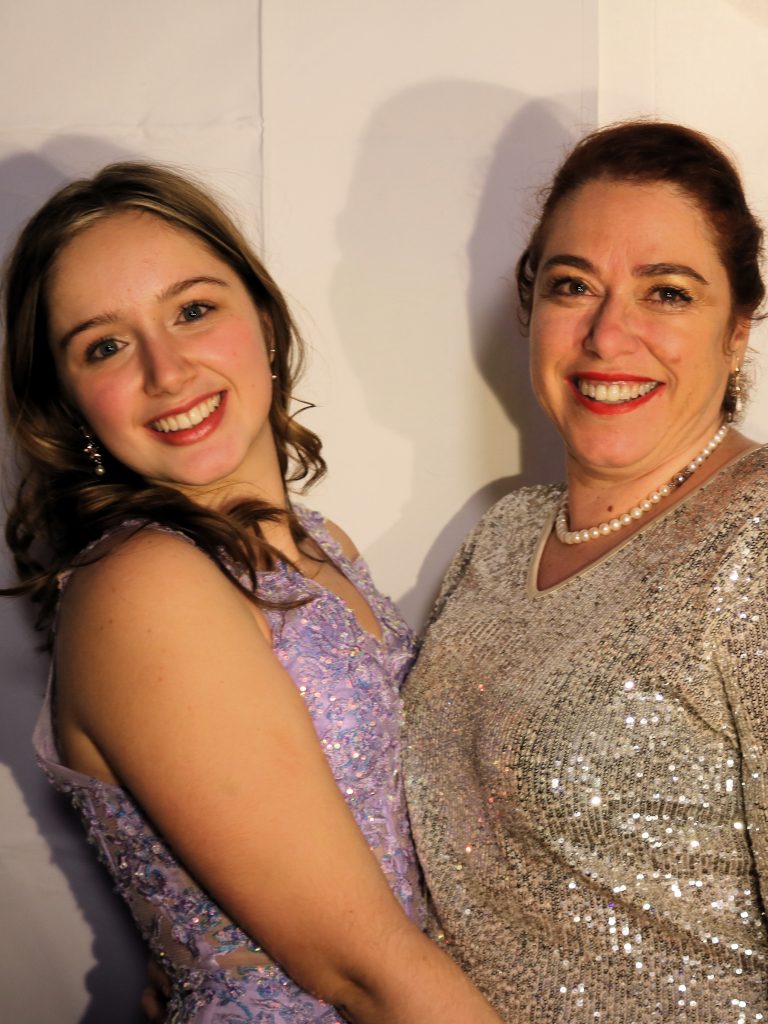
anna with mom
img 4879
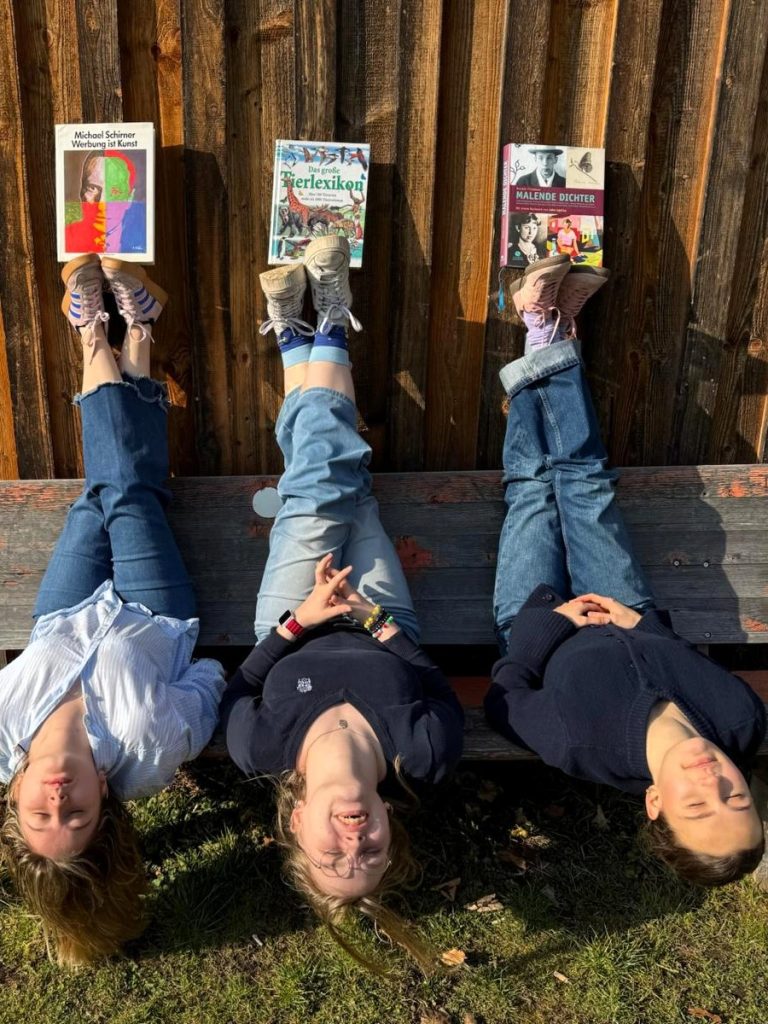
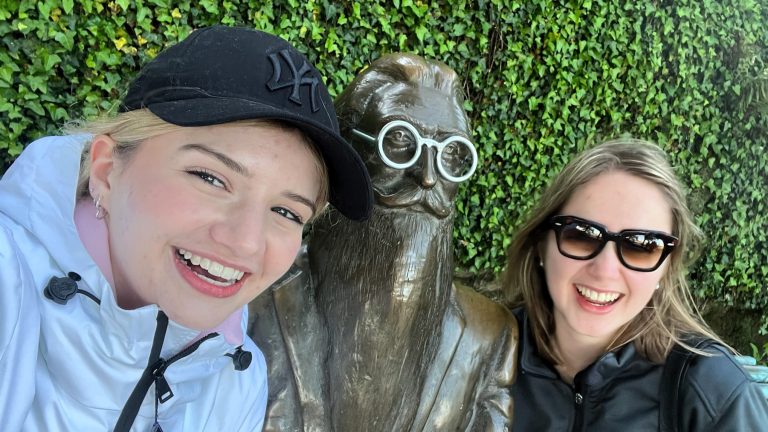
anna, anna, lara
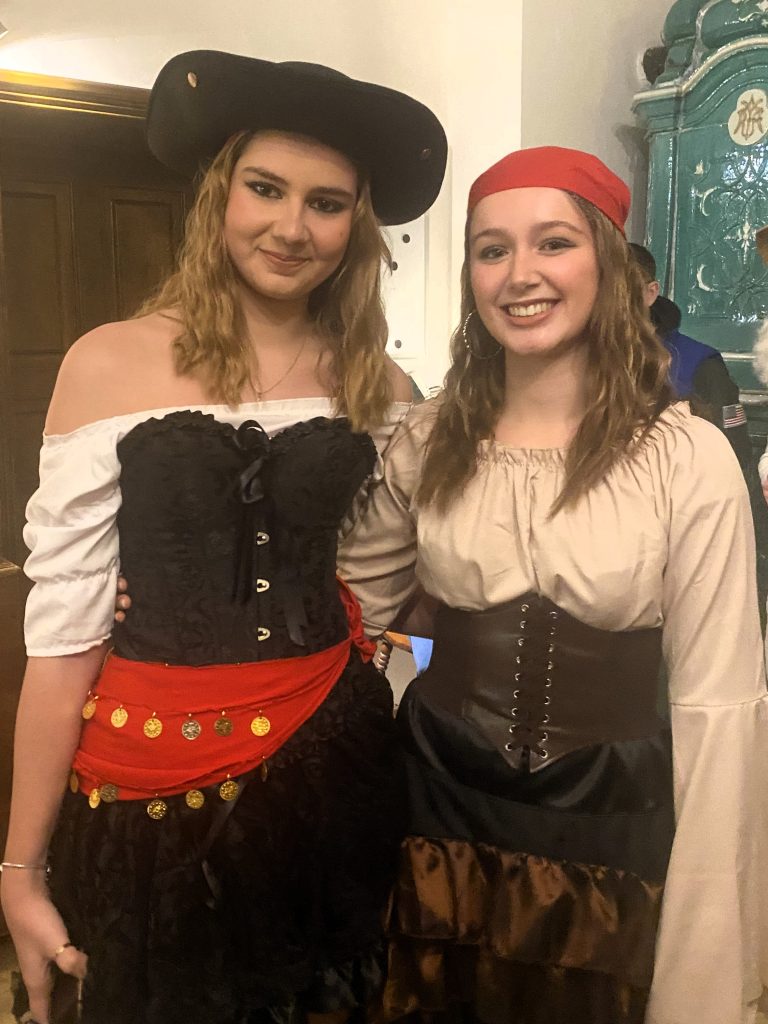
melis and anna

In March, Anna and her classmate Coline Körper had the opportunity to meet Cristina Cristóbal, Chairwoman and Secretary General of Amical Dachau, via video conference. Cristina Cristóbal not only reported on the remembrance work of her organization, which is dedicated to the Spanish victims of the Dachau concentration camp, but also provided very personal insights into her own family history.

img 4583 denoiseai standard

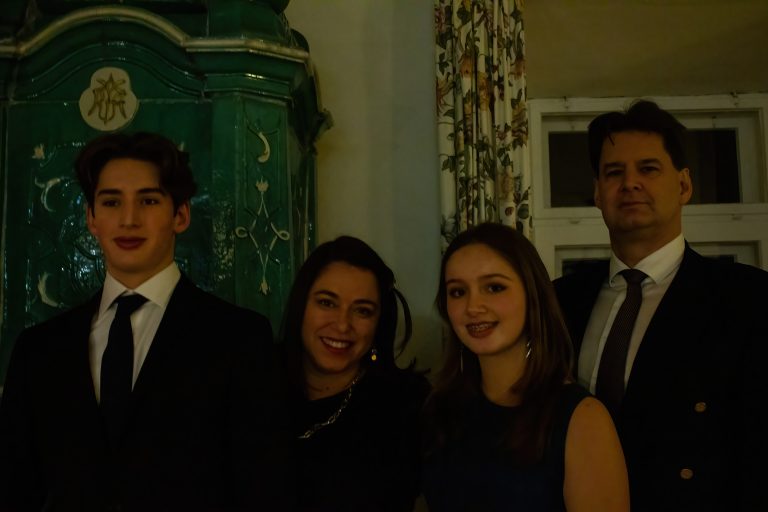
Anna with her brother and parents.

This interview was particularly important for Anna, as she had already been involved in the W-Seminar History she had already dealt intensively with the fate of Spanish prisoners in Nazi concentration camps. The connection between historical reappraisal, personal experience and her current work in Spanish made the meeting an important moment of reflection and learning for her. For this reason, no further interview questions follow here, but a text by Anna:

Coline & Anna in Galicia

Coline and Anna in Spain.

“Affection and love are the most important things. Everything else can be bought with money.” These words come from Cristina Cristóbal, Chairwoman and Secretary General of Amical Dachau, who was able to get to know the Spanish performance subject at a meeting via video conference in March.

The Amical Dachau is an organization that was founded to preserve the memory of the Spanish victims of the Dachau concentration camp, to promote solidarity among the survivors and to work for education, remembrance and the fight against fascism, racism and the forgetting of National Socialist crimes against Spaniards.

As our Spanish lessons are currently focusing intensively on Spanish remembrance culture, in particular the Spanish Civil War and Francoism, we had the opportunity to integrate this interview into our school context in a meaningful way. In an open and personal exchange, Cristina Cristóbal not only reported on the remembrance work of her organization, but also gave us very moving insights into her own family’s fate.

For us, Coline Körper and Anna Kranzbühler García, this discussion was even more important, as we had already dealt intensively with the fate of Spanish prisoners in Nazi concentration camps as part of our history W-seminar. Many of these so-called “Spanish Republicans” had fled into exile in France after Franco’s victory in the Spanish Civil War and were later arrested by the National Socialists and deported to concentration camps such as Dachau.

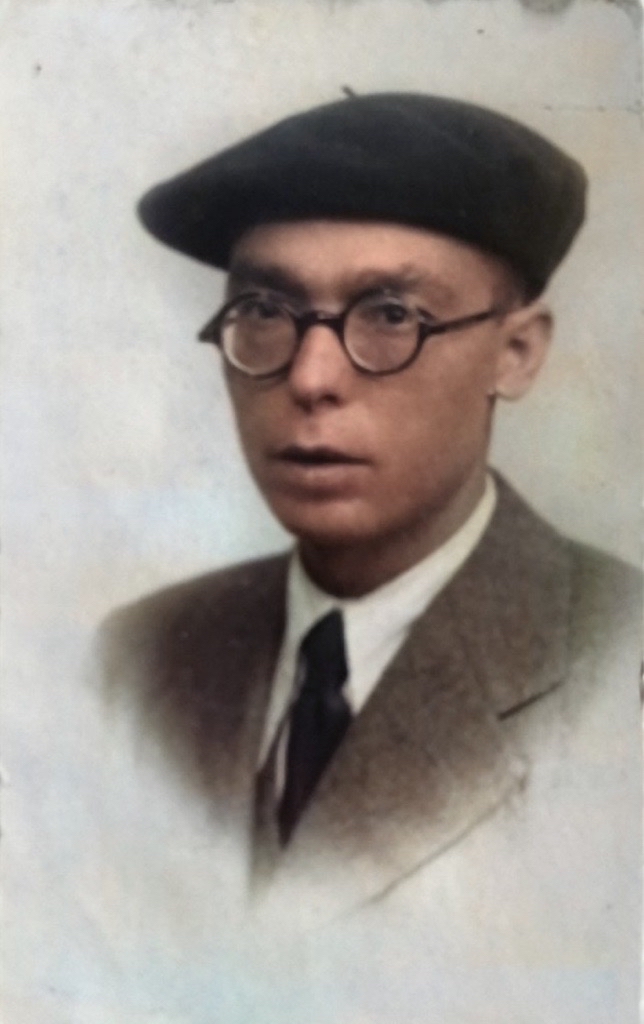
Fermín Cristóbal López, Spanish victim of the National Socialist regime

Fermín Cristóbal López, Spanish victim of the National Socialist regime, died in Dachau concentration camp on February 8, 1945. He had previously been politically active on the side of the Republic, including as editor of the magazine “El Adelantado de Segovia” and as a member of the Spanish Socialist Workers’ Party (PSOE) in Segovia. Source: Private archive of the Cristóbal family.

During the discussion, it became clear that the historical reappraisal of this past in Spain has been insufficient for a long time. A key reason for this is the decades-long dictatorship under Francisco Franco, which only ended in 1975. During this dictatorship, repression and terror against political opponents such as the “Reds” (Republicans) continued, so that there was no question of an active state culture of remembrance for both opposing sides of the Civil War. Instead, only the victorious Francoist side in the civil war was the subject of official remembrance. Franco himself died without ever being called to account, in a sense “as a victor in his bed”, which made a critical examination of his rule even more difficult. Even after the end of the dictatorship, a social “pact of silence” (pacto del olvido) made it difficult to comprehensively address the crimes.

Cristina Cristóbal impressively conveyed the importance of humanity, empathy and reconciliation when dealing with this difficult past. Her statement was particularly moving: “El cariño y el amor son lo más importante. Lo demás se compra con dinero.” (Translation: “Affection and love are the most important things. Everything else can be bought with money.”). She thus emphasized that interpersonal closeness, compassion and respect have a much greater value than material things.

The situation in Spain remains complex to this day, as the victims and perpetrators of Francoism or their descendants often still live in the same town or even on the same street. In addition, there is sometimes a lack of political will, particularly among parties that are considered the “heirs of Francoism”.

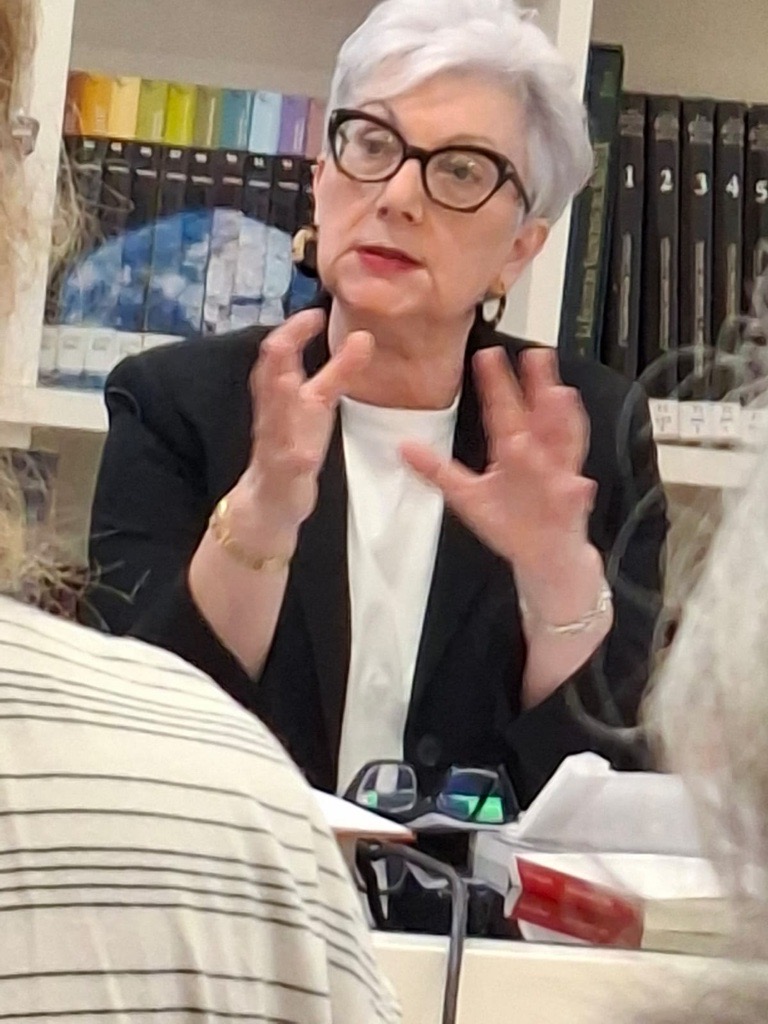
Cristina Cristóbal López

Cristina Cristóbal López: Granddaughter of the Spanish prisoner Fermín Cristóbal López. As Chairwoman and Secretary General of Amical Dachau, she is committed to the memory of Spanish prisoners in the concentration camp system.

A particularly emotional moment during the conversation was when Cristina Cristóbal showed us the letters from her grandfather, who died in Dachau. These personal

Documents made the historical events tangible in an impressive way and reminded us that, as we already recognized in our seminar work, there are always people behind history.

As part of our W-seminar, we also dealt with specific individual fates, such as two Spanish prisoners from the Trostberg satellite camp: Emeterio López López and Gregorio Culebras Saiz. This subcamp has been little researched to date, which made our work all the more exciting. It was particularly interesting to see parallels between their life stories and the experiences described by Cristina Cristóbal.

Thank you Cristina for this wonderful, informative morning!

Anna Kranzbühler García, Q13