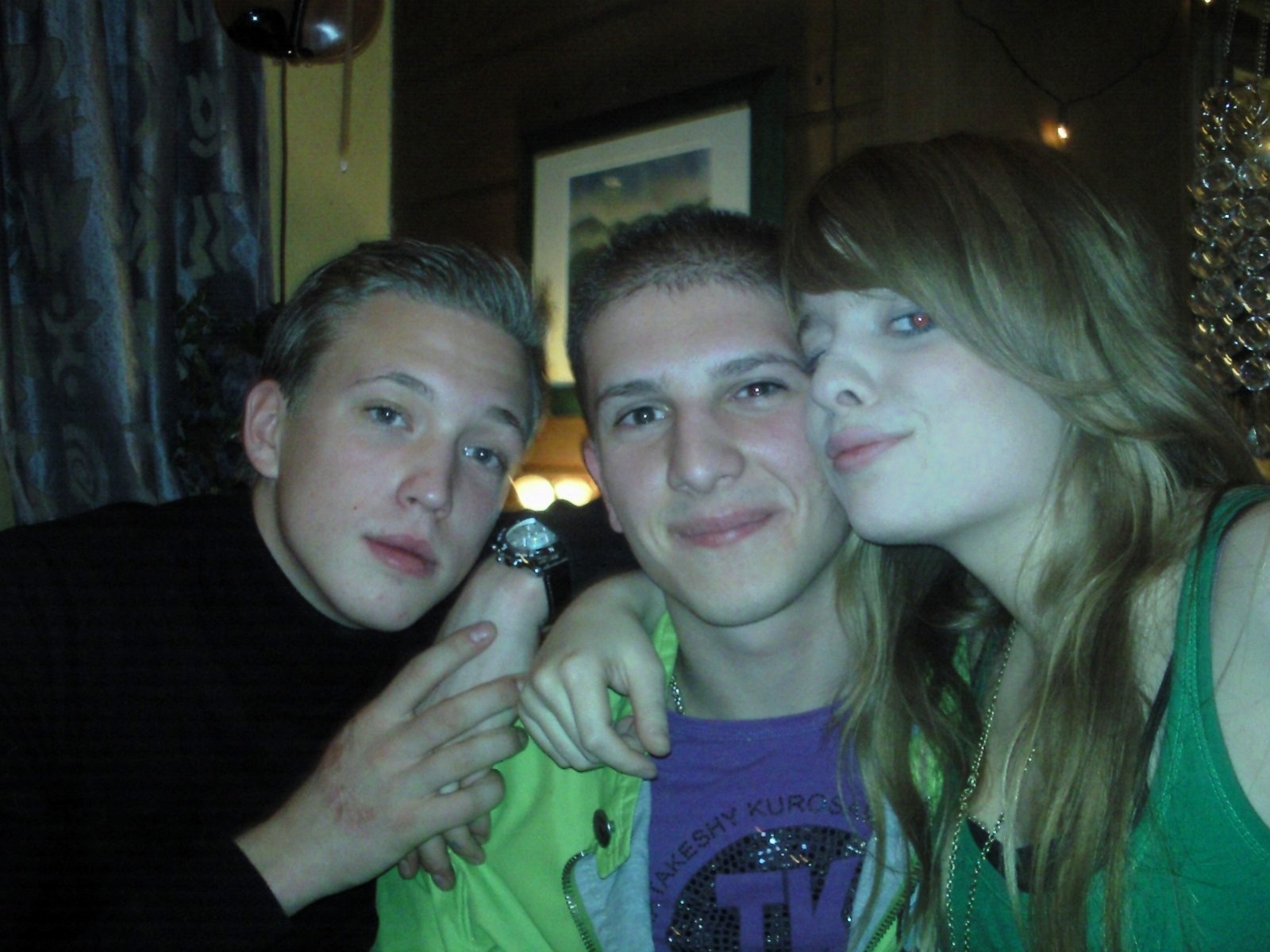
November | Ida-Lena Zoglmann
For Schule Schloss Stein, the 2010s brought a decade of transformations, challenges, and lasting memories. From the Abitur reform (at that time, from G9 to G8) to the expansion of modern technology and new premises, as well as formative moments in boarding school life – this decade was characterized by both structure and tradition, as well as by vibrant community and modernization.
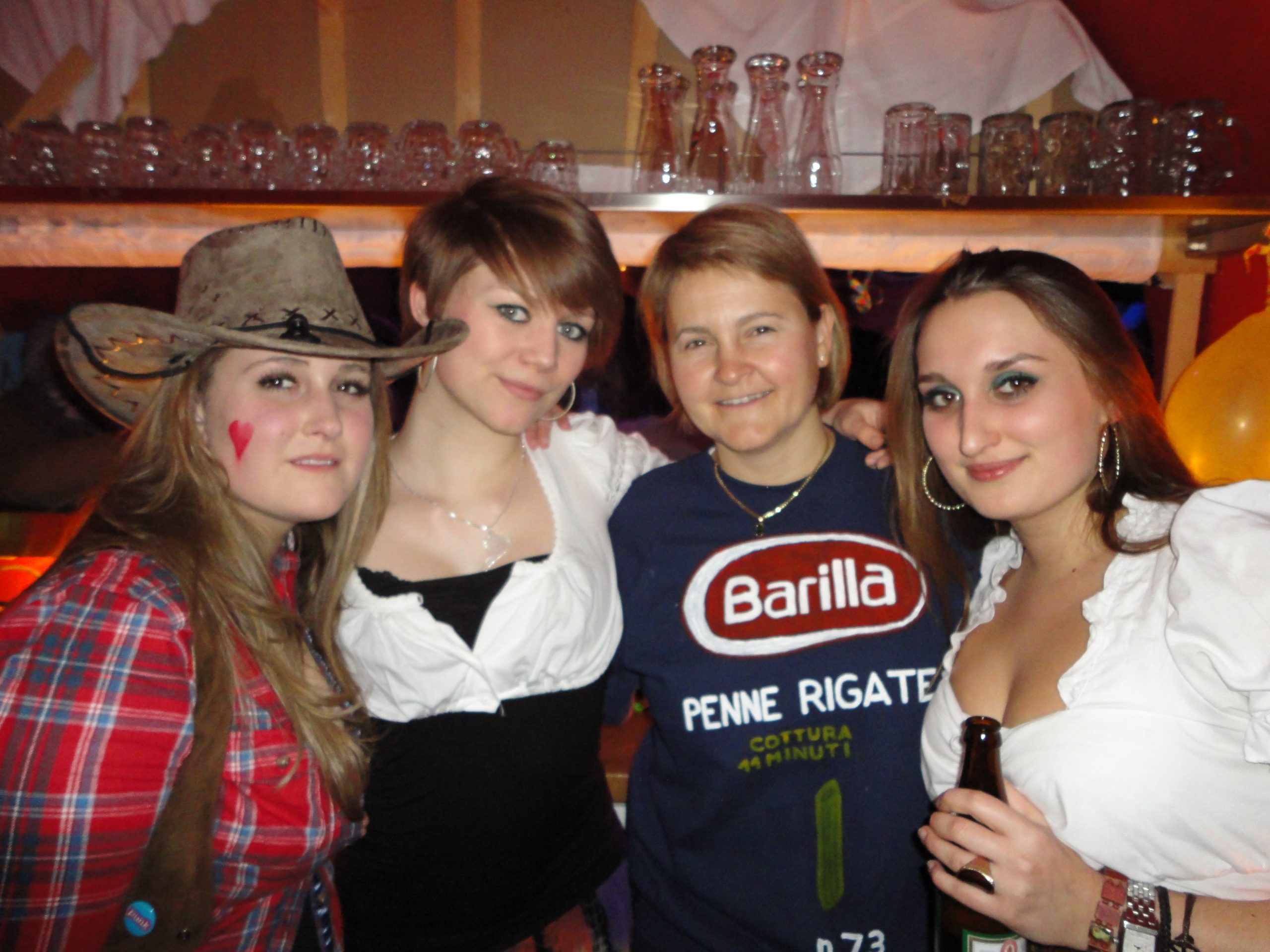
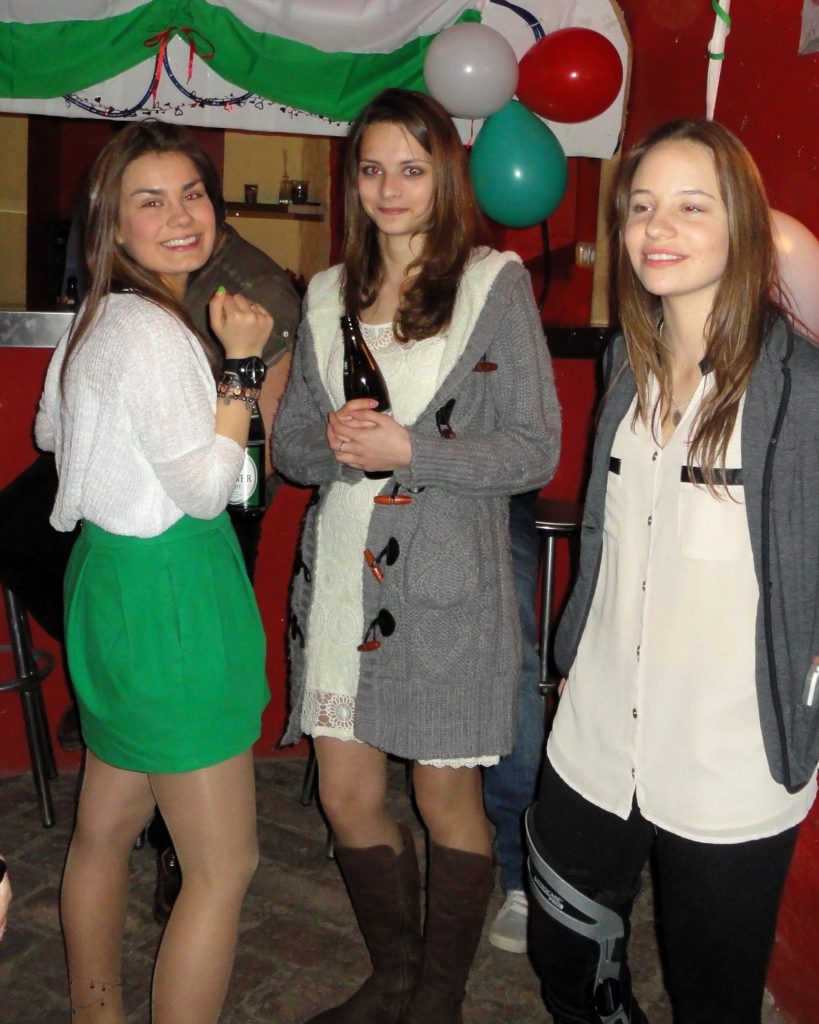
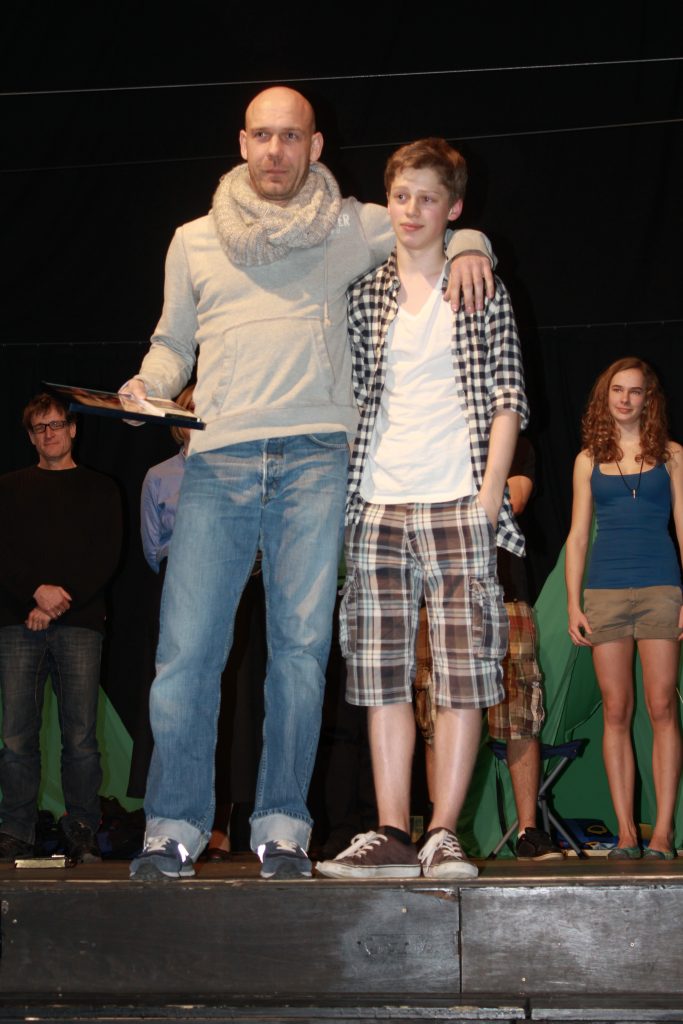
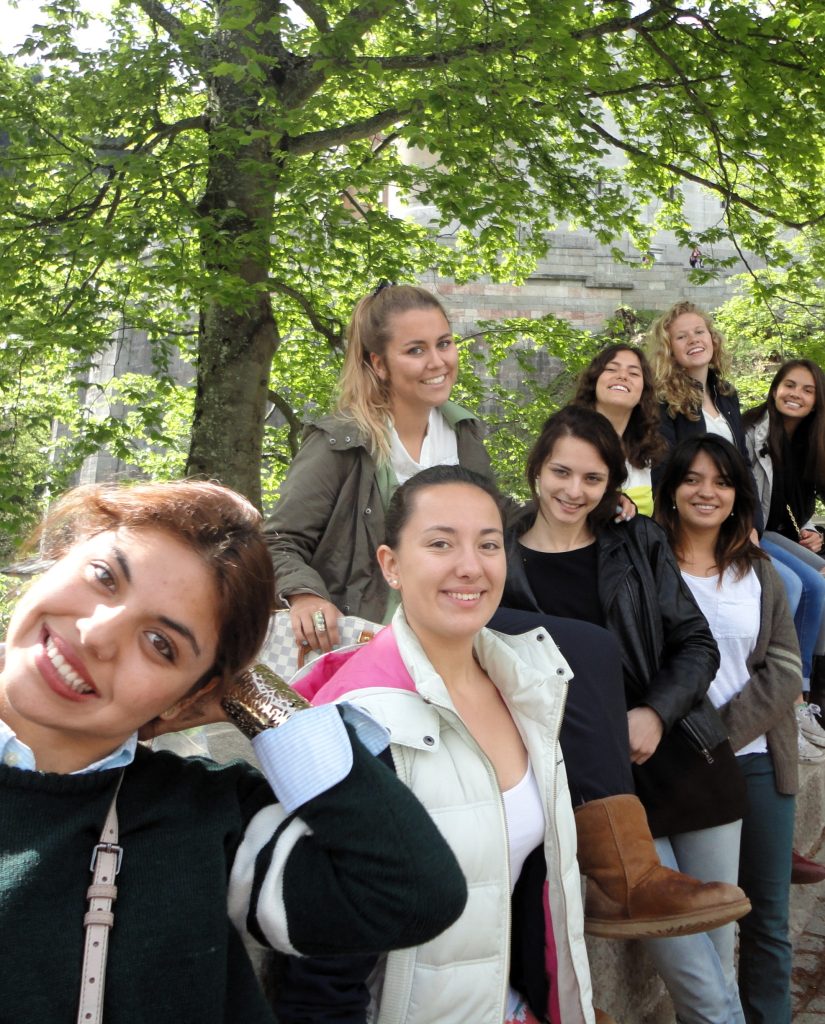
Fashion and daily life reflected the zeitgeist: low-rise jeans gradually gave way to skinny jeans, UGG boots and striking prints, as well as plaid patterns in every conceivable form, dominated the hallways, while smartphones and social media dictated the pace of everyday life. From BlackBerry to Instagram, Snapchat, and the first generation of iPods & Co. – the 2010s elevated fast-paced living, digital networking, and social media culture to a new level.
Students and teachers experienced years that not only set academic milestones but also forged friendships and experiences that resonate to this day. In the following reports, we give voice to those who directly experienced the decade in Stein – those who offer us insights into daily life, the highlights, and special moments.
“Some places leave traces – not on the map, but in our hearts.”
Franz Stettner | Altsteiner Association Board Members, Abitur 2011
“An era concluded in 2011: The old 9-year Gymnasium was now to be definitively brought to its close.”
Theresia Schilling | Active in Stein since 1994, Head of School from 2019-2025
An era concluded in 2011: The old 9-year Gymnasium was now to be definitively brought to its close. Although discussions about the 8-year Gymnasium in Bavaria continued, the first Abitur of this type – also in 2011 – had to be a success so that even the last skeptics would recognize its advantages. The concerns were manifold. Would the new Abitur truly meet all the demands placed upon it? Two Abitur examinations in the same year also presented a major challenge for Stein.
Mr. Wirthmann passed the baton of upper school supervision to Mr. Bauer, who took charge of the new system. Otherwise, it was “business as usual” with all normal school and boarding school operations – or so it was thought.
Towards the end of the decade, the school administration introduced far-reaching changes. Our beloved Head of School, Mr. Flamm, fell seriously ill and had to reduce his workload. I took over daily operations and other important tasks in the directorate in addition to my favorite duty and passion: supervising the upper school, which I had by then taken over from Mr. Bauer. In this, I was always actively supported by Ms. Bammler. In 2019, I was then officially appointed Head of School.
Everything was running smoothly again when an unknown virus emerged in China. The first cases spread to Europe, and Bavaria was also affected. Concerns were not yet too great, but soon dark clouds appeared that would completely disrupt daily life in Stein: Corona was now on everyone’s lips. This virus, Covid-19, also reached our school and brought daily new announcements, directives, and special regulations, especially for the Abitur students.
Theresia Schilling | Head of School 2019-2025
“These four years in Stein were a very special time that shaped me and gave me friendships that still accompany me today.”
Jenny Weitz (née Cordesmeyer) | Abitur 2011
– Jenny Weitz | Hamburg
“Stein in the 2010s was precisely that: reliable, close, contemporarily organized, and for many, simply the place we called home.”
Lucas Hunold | Abitur 2014
Even those who were in Stein in the 2010s immediately recognize the daily rhythm: breakfast at 07:00, a short walk to the school building, afternoons between study hours and Clubs.
From 2013, Friedrich Flamm, as Head of School, set the tone. Many still vividly remember him: a great teacher and a very special person whose presence is missed to this day.
Within the decade, the student body became more international, which was evident at the breakfast table as well as in lessons. New students connected through roommates, Clubs, and scavenger hunts. Many also stayed in Stein on weekends, whether for the program or the still-existing Saturday classes.
Technology became more present in daily life without taking over. In 2014, the networks on campus were modernized. In 2018, classes from year 8 onwards received the first Surface devices, and communication via Microsoft Teams began. Teaching remained in-person work at the desk, supported by digital tools.
Calendars and traditions persisted: Advent market, Julklapp, Literature and Media Week – always supported by students, teachers, and secretariats.
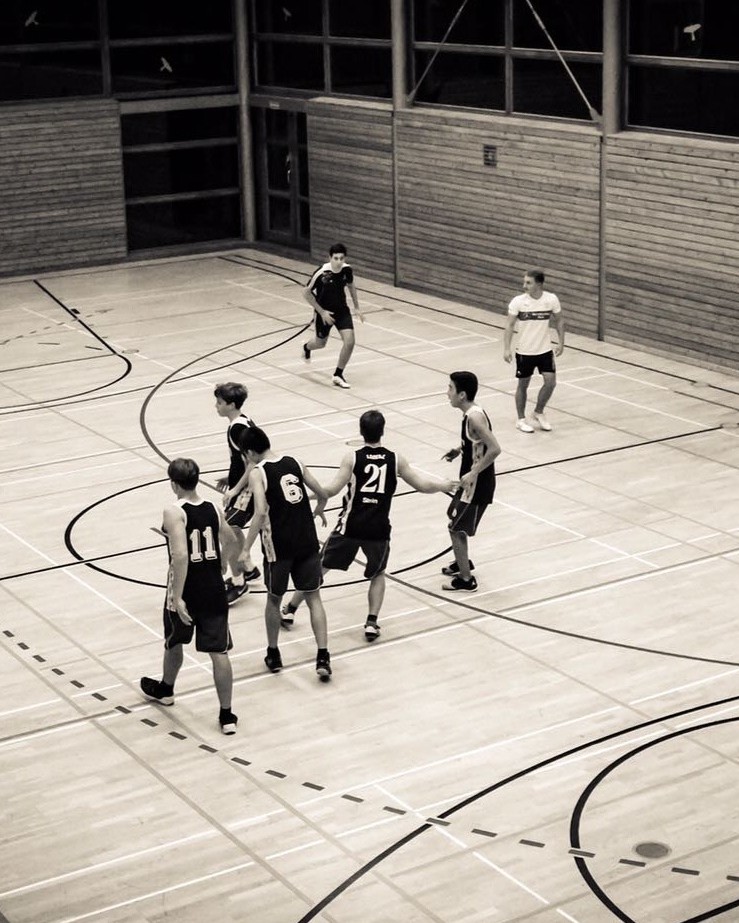
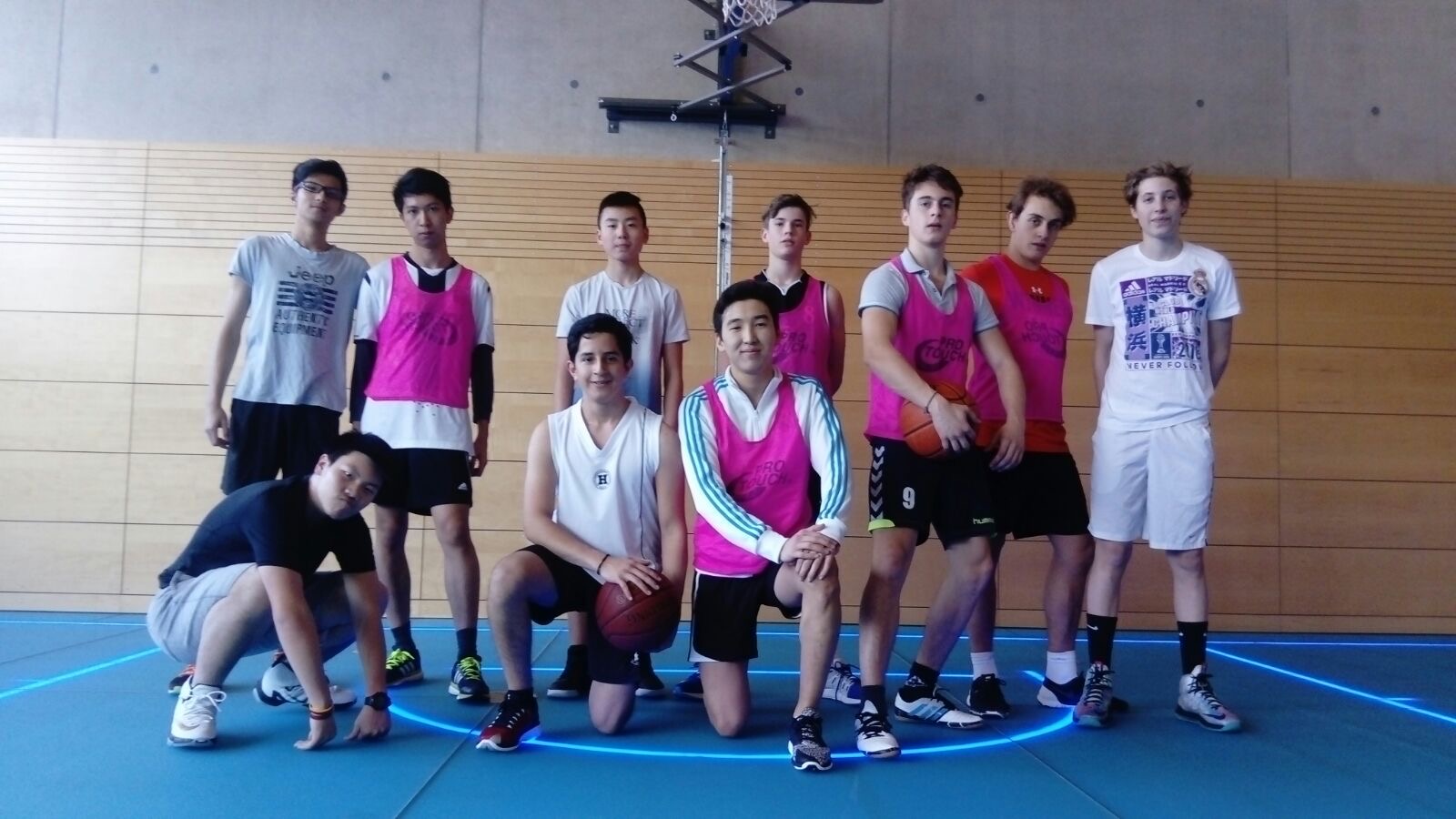
In 2012, the new sports hall was inaugurated, planned since the 1980s and named after sports teacher legend Helmut Konrad. With its state-of-the-art glass sprung floor and LED-lit court lines, it stands today as a symbol of the connection between tradition and technology on the grounds of Schule Schloss Stein.
– Lucas Hunold | Munich
“What truly makes Stein so extraordinary and formative are the people – the teachers and Educators, the school administration, the staff in housekeeping & kitchen, and all those who fill this place with life.”
Nico Lorenz | Abitur 2017
My time in Stein began in the winter of 2011, after two fifth grades and half of a sixth grade at a Gymnasium in the neighboring town. I was 13 years old at the time and came to Stein for a trial week. My first impression was somewhat bewildering. Xaver, my classmate at the time, for reasons unknown to me to this day, hurled a full bottle of iced tea (from the then-existing “Top Shop”) into the snow, visibly unimpressed by Mr. Motzer (then director), who was just bringing me to the classroom of the only sixth grade.
In my previous school, I sat with over thirty other children in the classroom and had several parallel classes, so I was very astonished when the door opened and only five other students were sitting there. My question about when the others would arrive was met with a brief laugh, and Ms. Schilling explained to me that we were now complete and would begin French class.
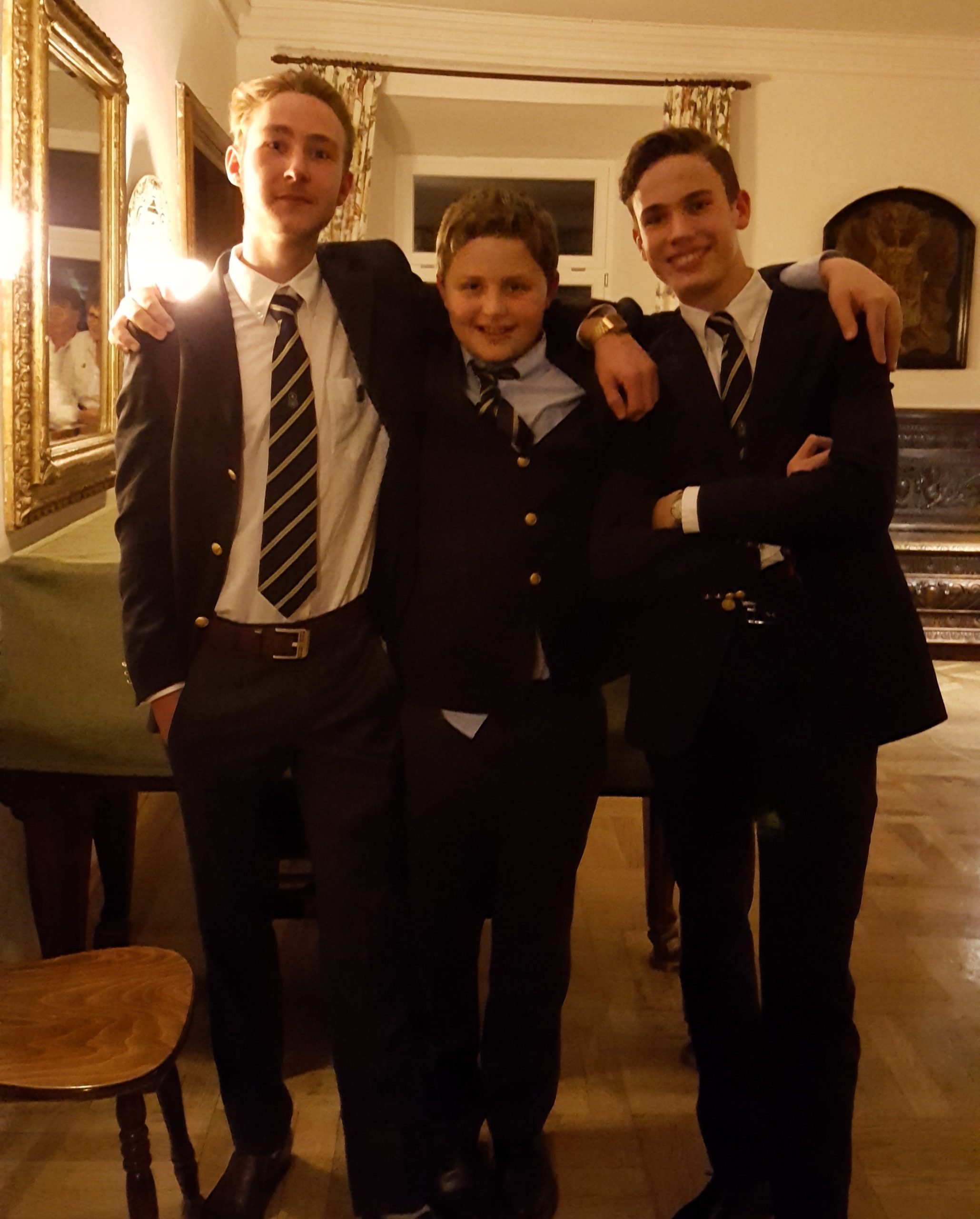
But not only the class size, but also the different approach of the teachers, the concept of the “study hour,” and, most surprisingly for me at the time, the Educators, were absolute novelties. The ancient buildings and the school uniform also impressed me, and for someone who grew up with Harry Potter, the sight of the Schloss and the partly medieval furnishings is, of course, fabulous. I certainly stared at the paintings in the dining hall long enough, but unfortunately, they never spoke.
It was therefore hardly surprising that when I sat on the couch with my parents in Mr. Ziegler’s office, I absolutely wanted to go to Stein.
Initially, the daily routine from 7:40 AM to 6:00 PM took some getting used to, but in retrospect, the structure and fixed times gave me stability and security. Lunch was always one of the highlights. I particularly liked the steamed dumplings, filled with plum jam and refined with vanilla sauce. For dessert, there was nothing better for me than the apple rings.
My favorite afternoon Clubs were basketball, table tennis, and handicrafts. During the study hour, which in my time still ran from 4:00 PM to 6:00 PM, one could often exchange ideas with others about homework or ask the respective supervisors for advice, which made the entire concept of homework and learning significantly more pleasant.
Throughout my entire time in Stein, I was a semi-boarder, but I still very often had a place to sleep on weekends and sometimes on one or another café/Club evening during the week if I needed it.
In the following years, more and more classmates joined, and the class grew steadily – not only in number but also in its diversity. Gradually, it became more international; we had students from Russia, Mexico, China, Kazakhstan, and Ukraine in the class. Over time, true lifelong friendships developed, and from an initial five, there were eventually twenty-two students in the Abitur class.
I would say the most formative period was from seventh to eleventh grade. Here I had many constructive discussions with Mr. Dobersalske in German and Social Studies, and unconstructive ones, especially in Biology and Math. But we also had a lot of fun in Geography and Chemistry, not necessarily just because of the subject matter, but also because Mr. Glotz and I both like FC Bayern.
Later, in the upper school, I had advanced courses in Sports and the Scientific Seminar with Mr. Meckel; here, the foundation for my current profession as a physiotherapist was also laid with my seminar paper (“Comparison between surgical and conservative measures after an anterior cruciate ligament rupture”).
Not only the teachers, but also Educators like Mr. Murea, Mr. Koch, Mr. Matyszok, Ms. Eder, and Mr. Ziegler always stood by me with advice and support whenever something didn’t go as I wanted.
In Stein, there is often talk of the so-called Steiner spirit – an idiom that describes the special way of life and strong sense of community in this place. But what truly makes Stein so extraordinary and formative are the people: the teachers and Educators, the school administration, the staff in housekeeping & kitchen, and all those who fill this place with life and give their all for the students.
– Nico Lorenz | Traunstein

“Stein was more than just a place to learn – it was a second home where one grew up without really noticing it.”

Friedrich Hörmann | Abitur 2019
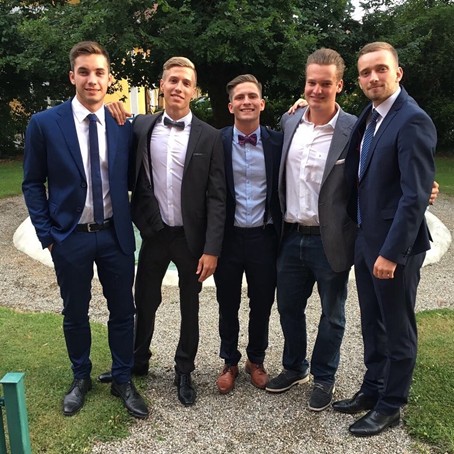
When I think back to my boarding school days in Stein today, many memories immediately surface – of friendships, sports, excursions, and that special sense of community that one probably only experiences once in a lifetime. I was there from 2016 to 2019 and can honestly say: these years were simply unforgettable.

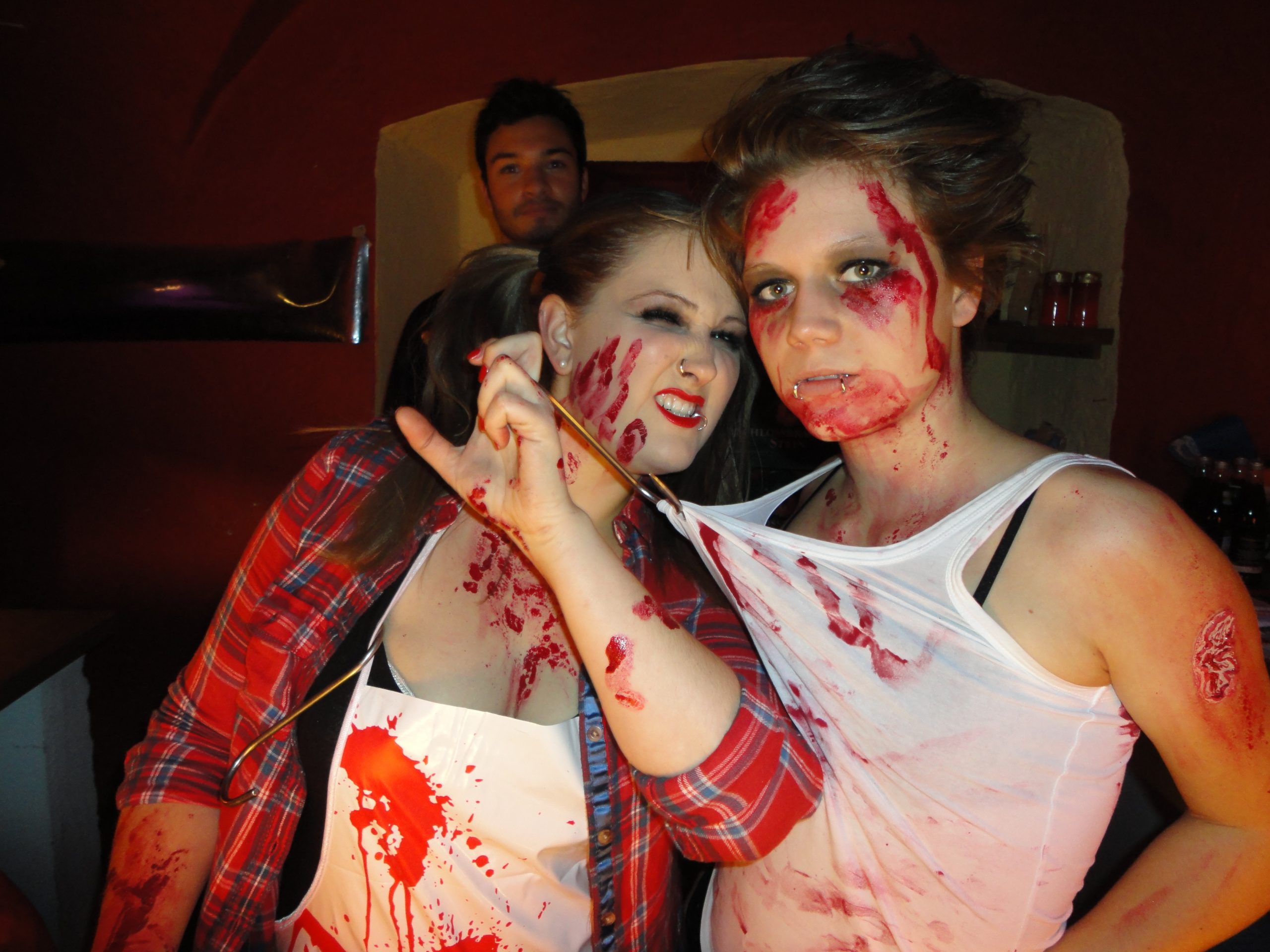
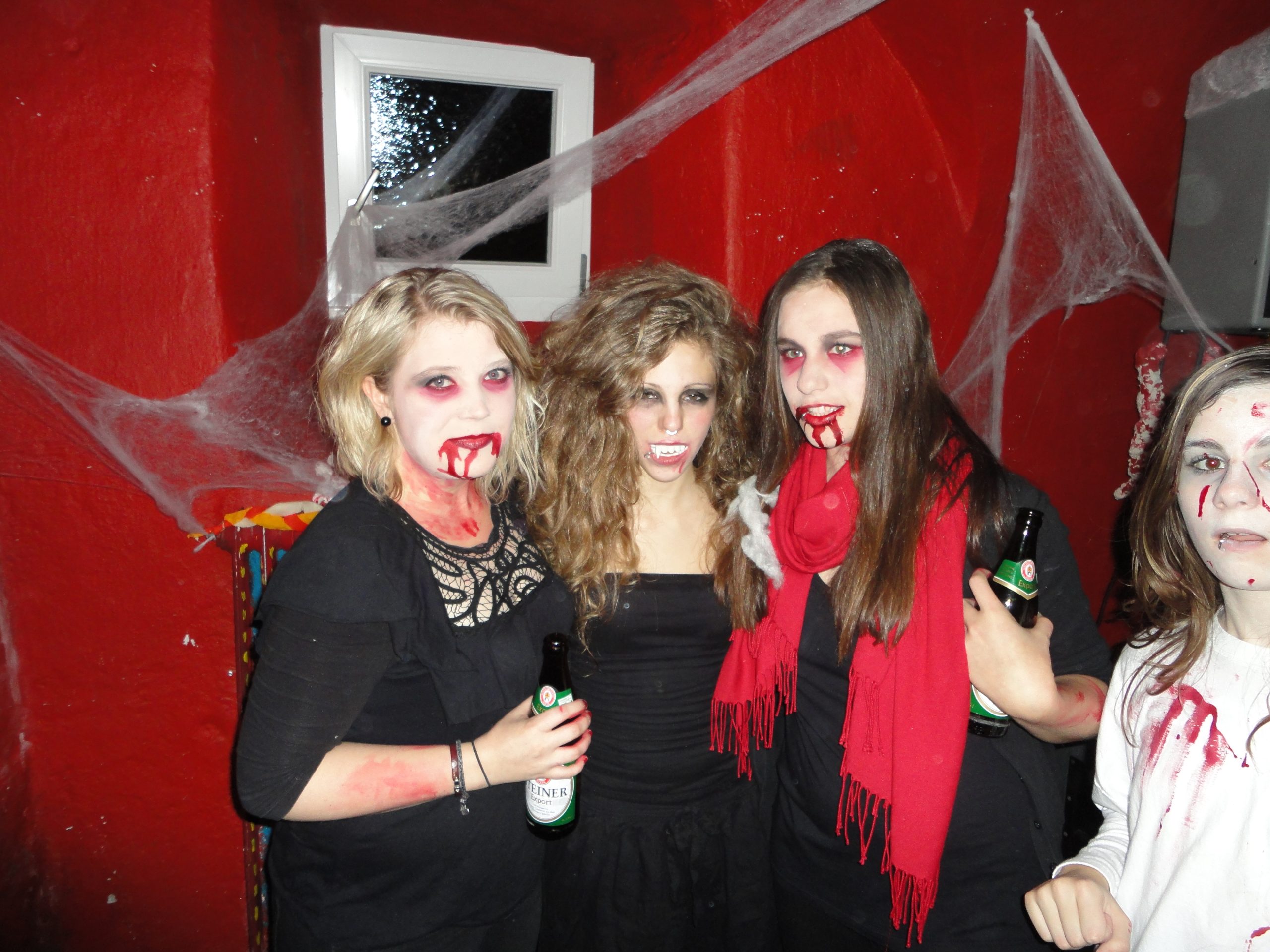
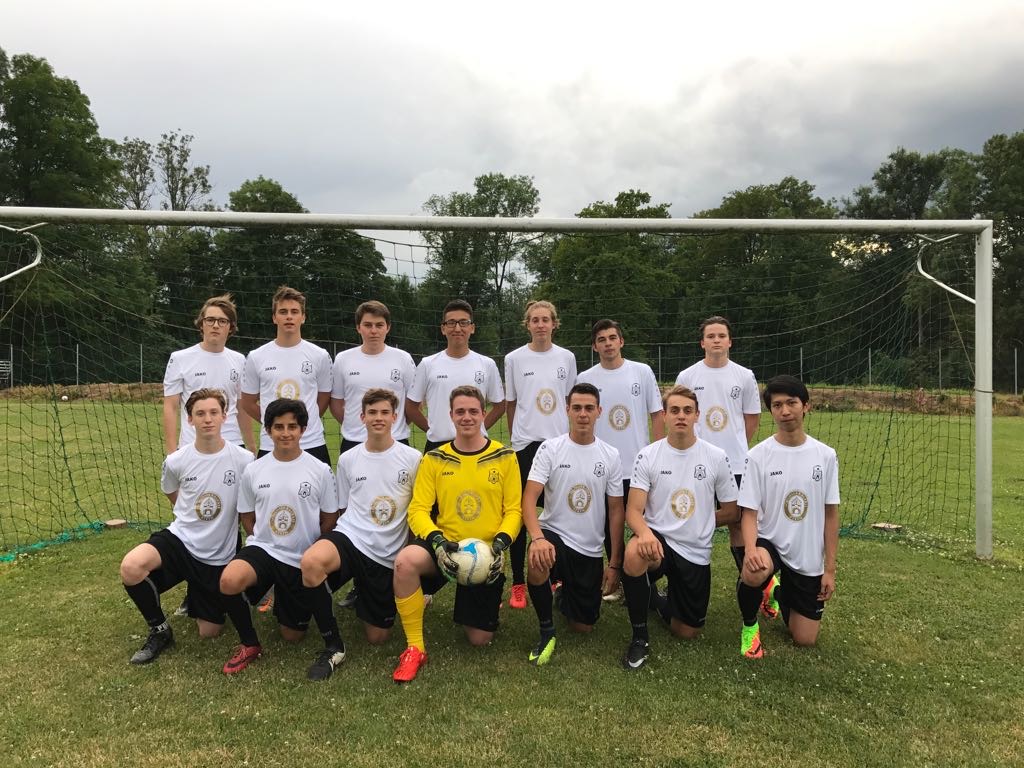
Back then, many things were still a bit different – somehow quieter, but at the same time full of energy. We were constantly outside, on the basketball court, in the fitness room, or just out and about somewhere. Our Educator, Mr. Pires, truly forged us into a tight-knit group in 10th grade. Whether on the court or in the rooms in the evening – we stuck together, had our fun, and were simply a really good team.
Mr. Flamm, the Head of School at the time, also shaped boarding school life. You could always go to his office – be it for a motivating conversation, a bit of encouragement, or (to be honest) to ask for a school exemption.
When Ms. Schilling later took over the leadership, she continued everything with great heart and a fresh impetus. New, young teachers like Manuel Hiery and Veronika Schlosser (Koch) also joined, enlivening school life with new ideas and impulses.
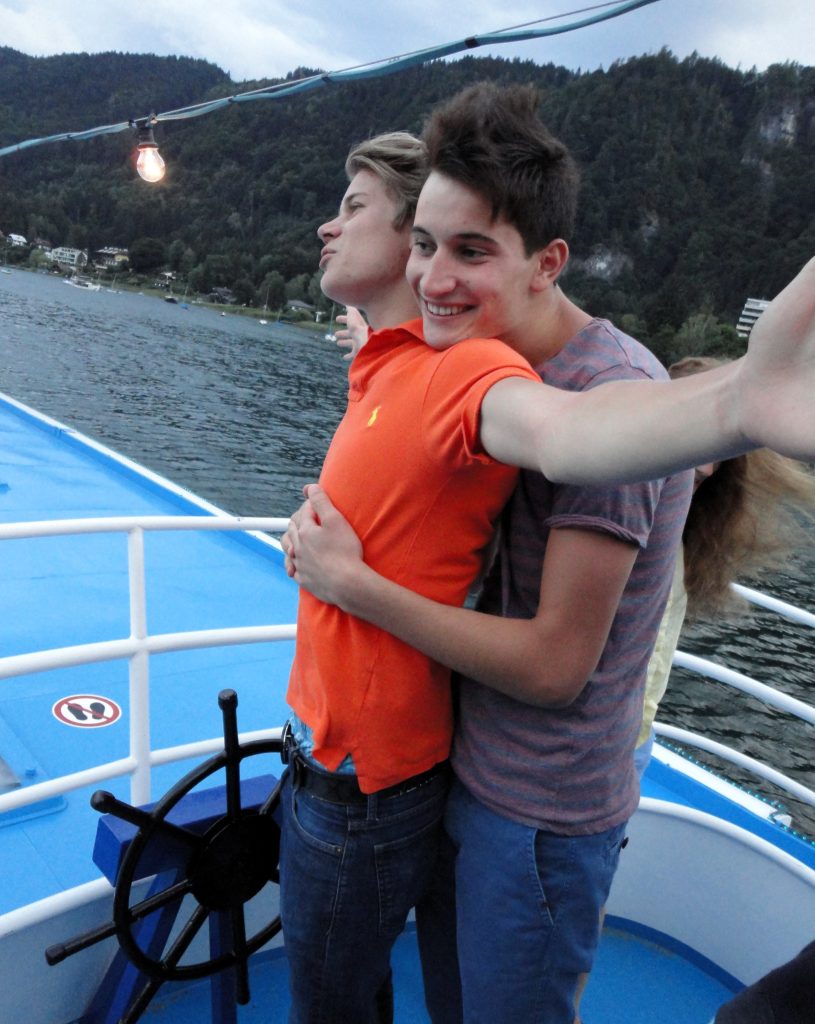
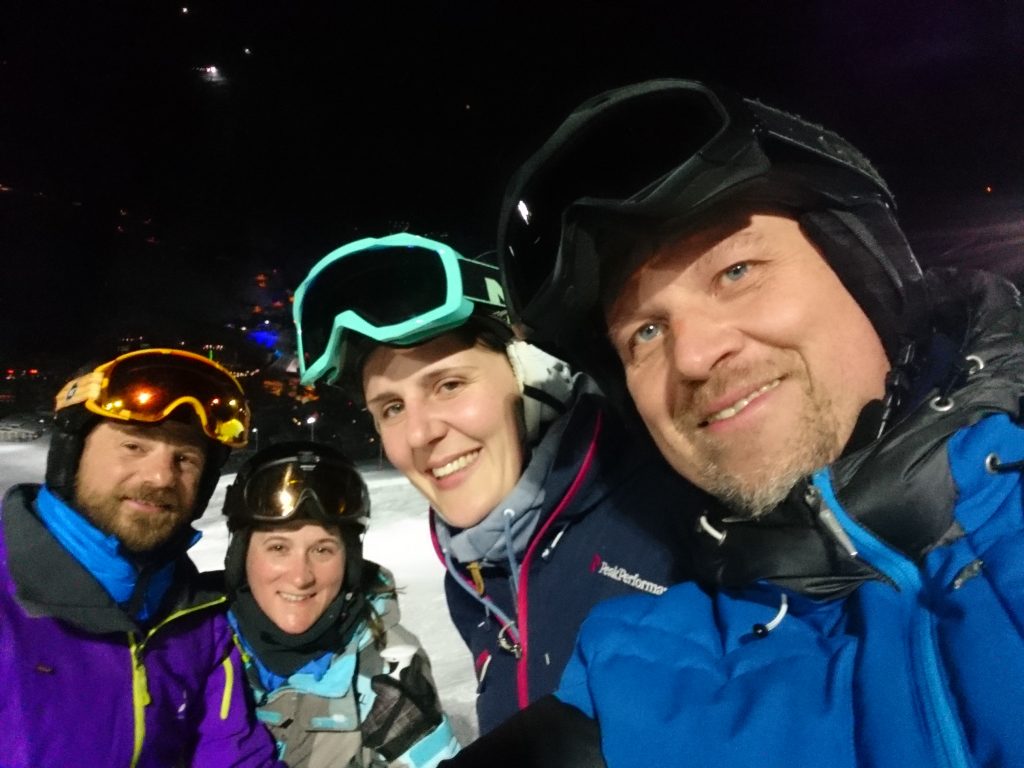
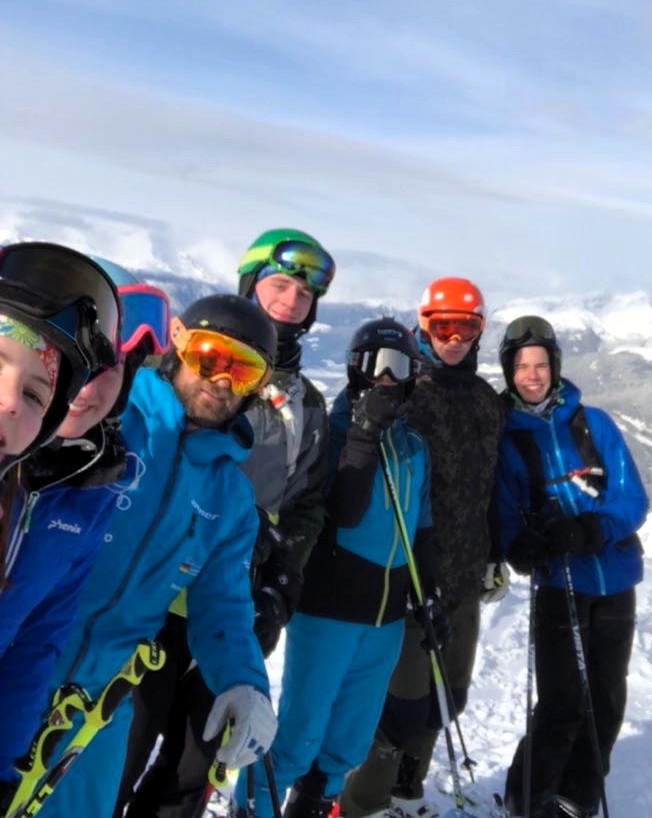
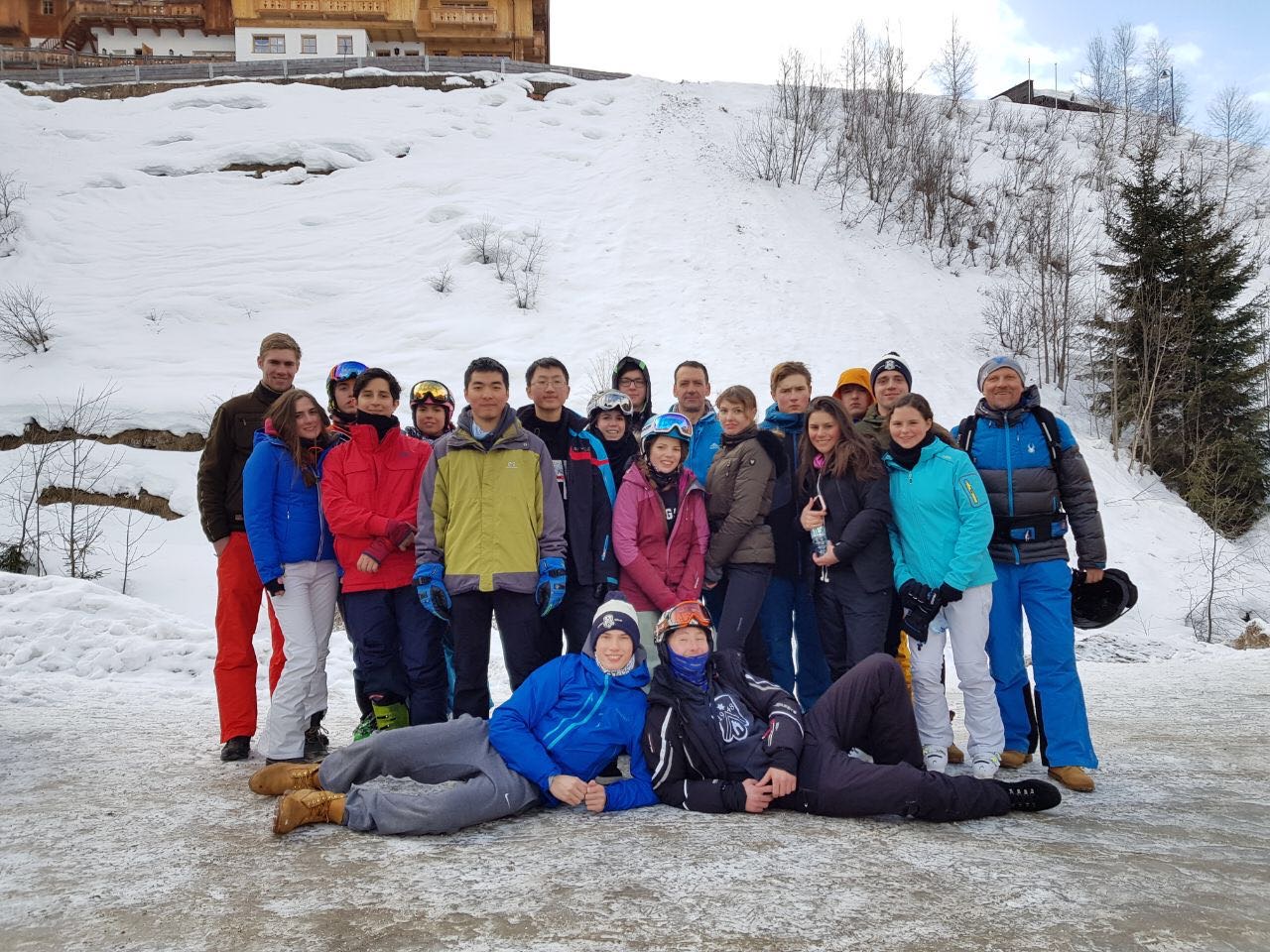
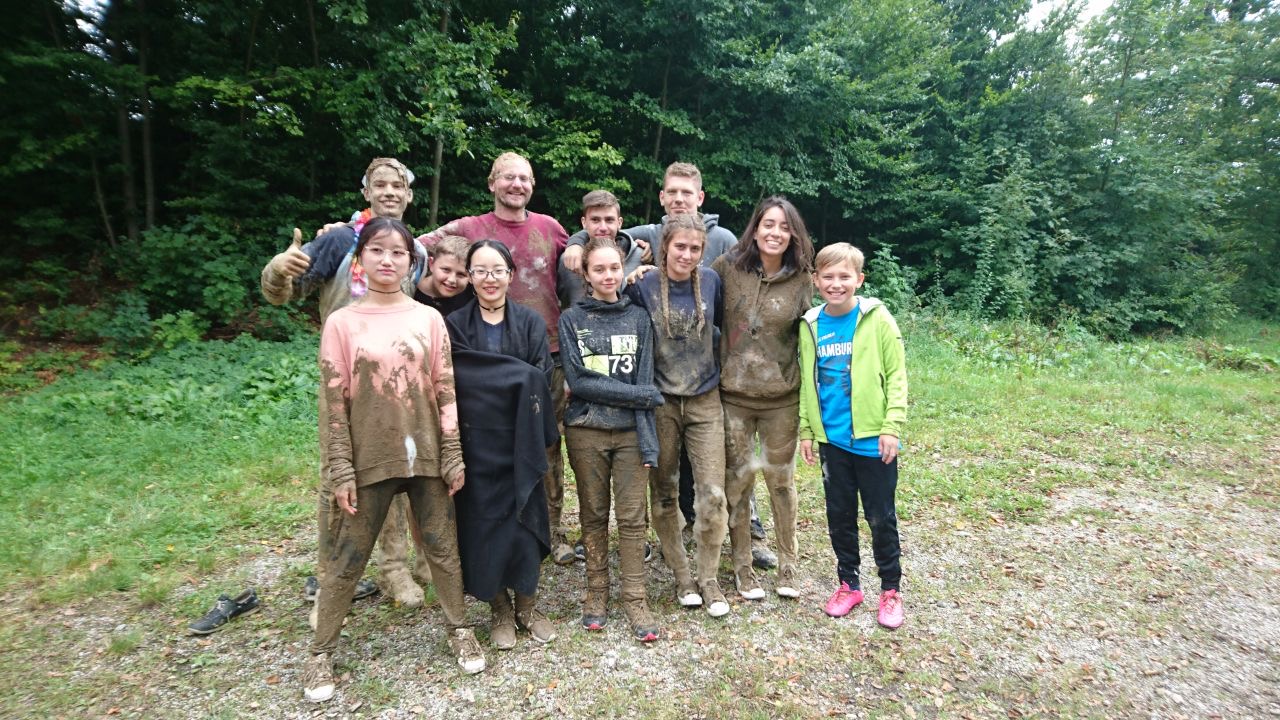
I also vividly remember the many excursions and weekends: the ski weekend with Mr. Koch, the community weekends with all the older boys – these were highlights, one after another. These experiences not only brought us together as a group but also fostered many friendships that last to this day.
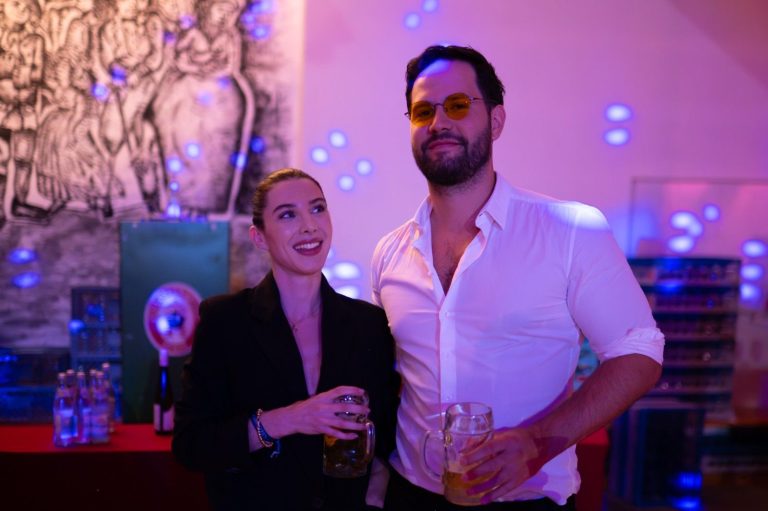
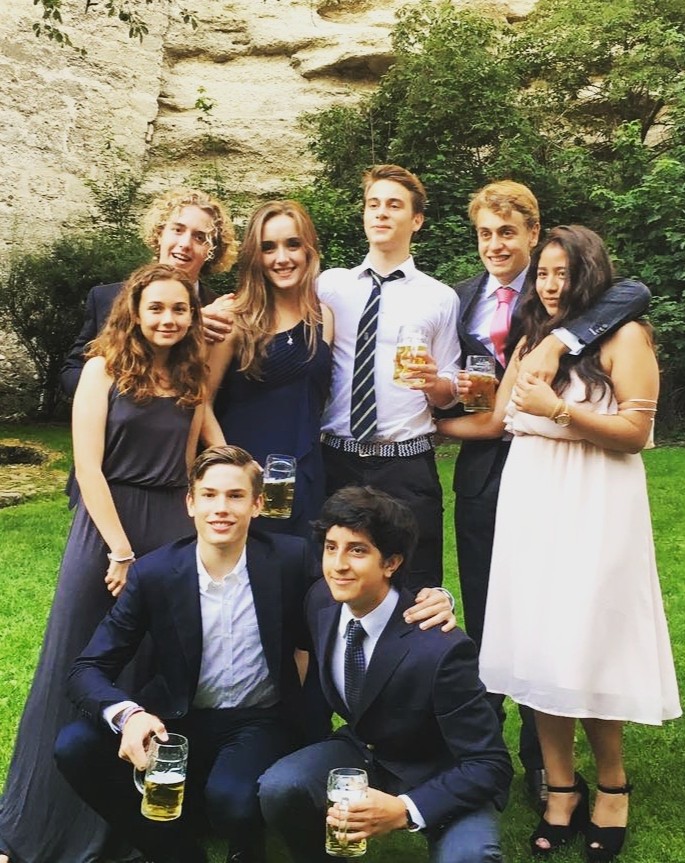
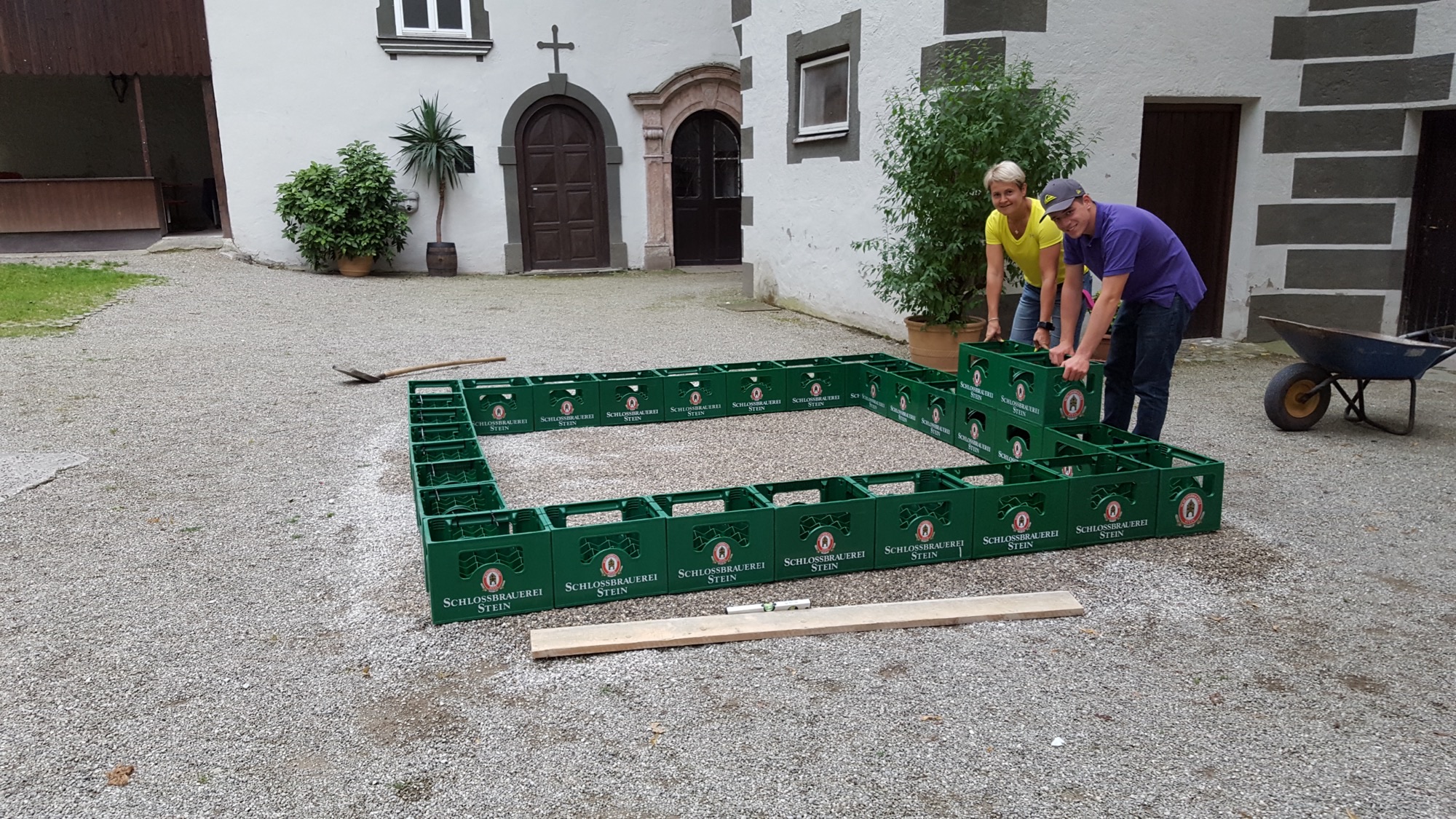
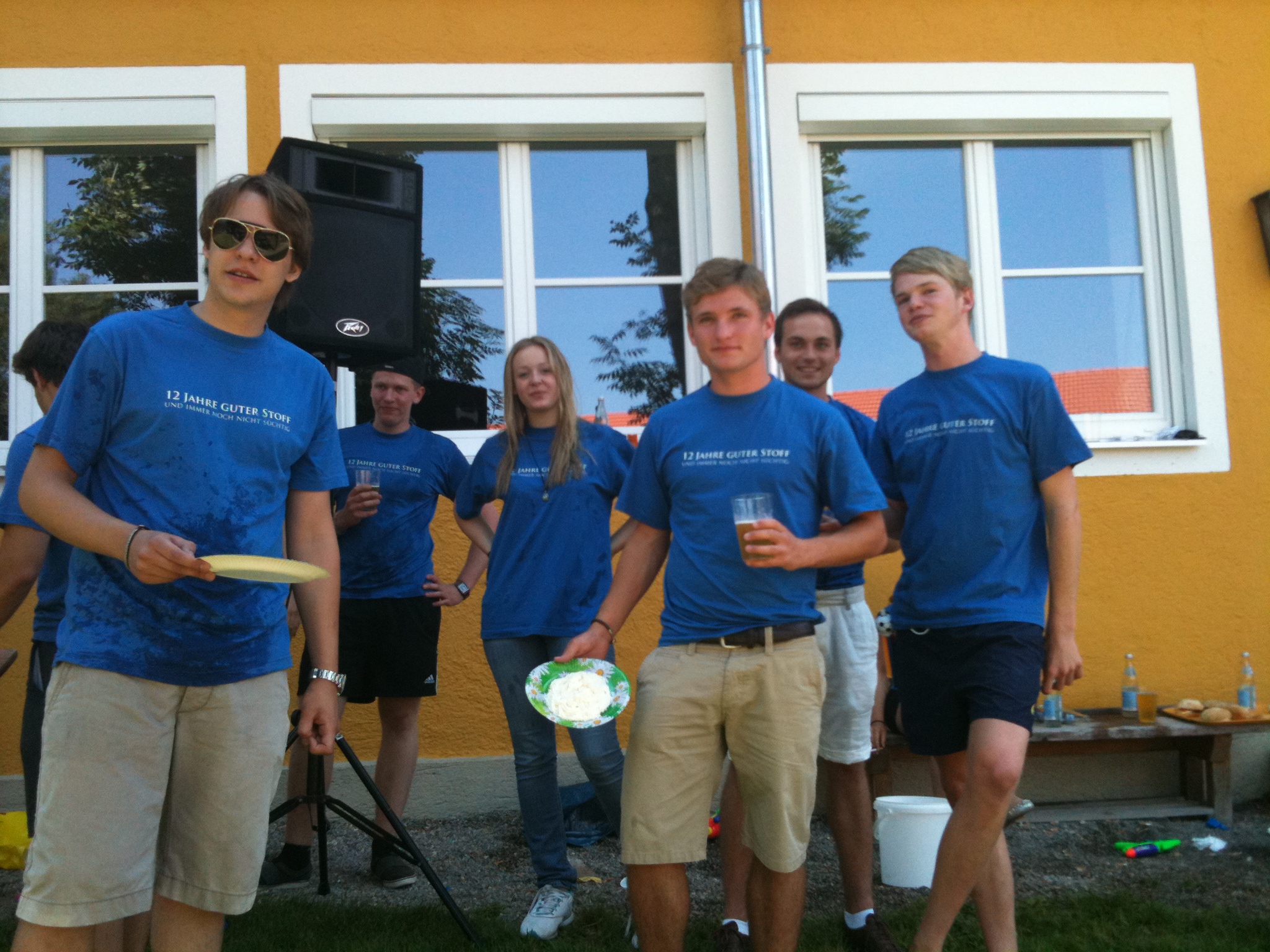
It was particularly wonderful that one could contribute so strongly to boarding school life. If you showed commitment, it truly made sense and simply brought joy. Beer crate pools were built, the Club was elaborately decorated together with Ms. Breithaupt, sports events were organized, or the theater stage set was custom-designed late into the night. The old pub under the school building was brought back to life – all possible because the Educators gave us freedom and trust. And honestly: they hopefully didn’t mind a secret beer in the evening after work was done. 😉
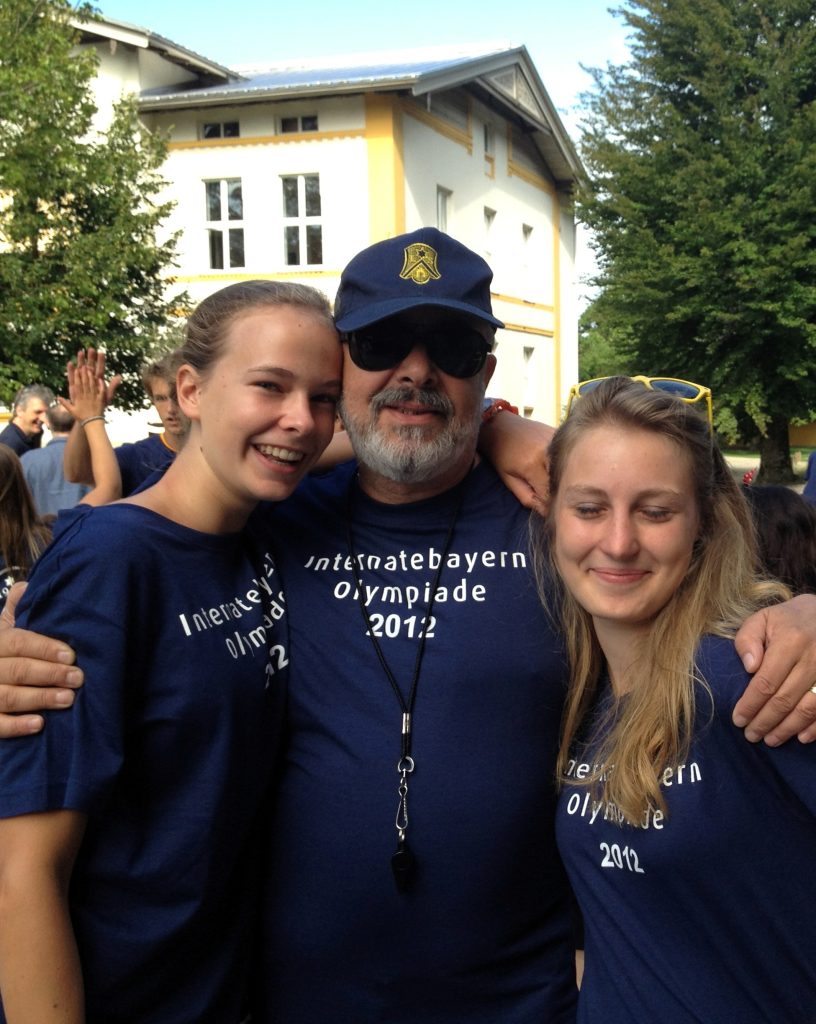
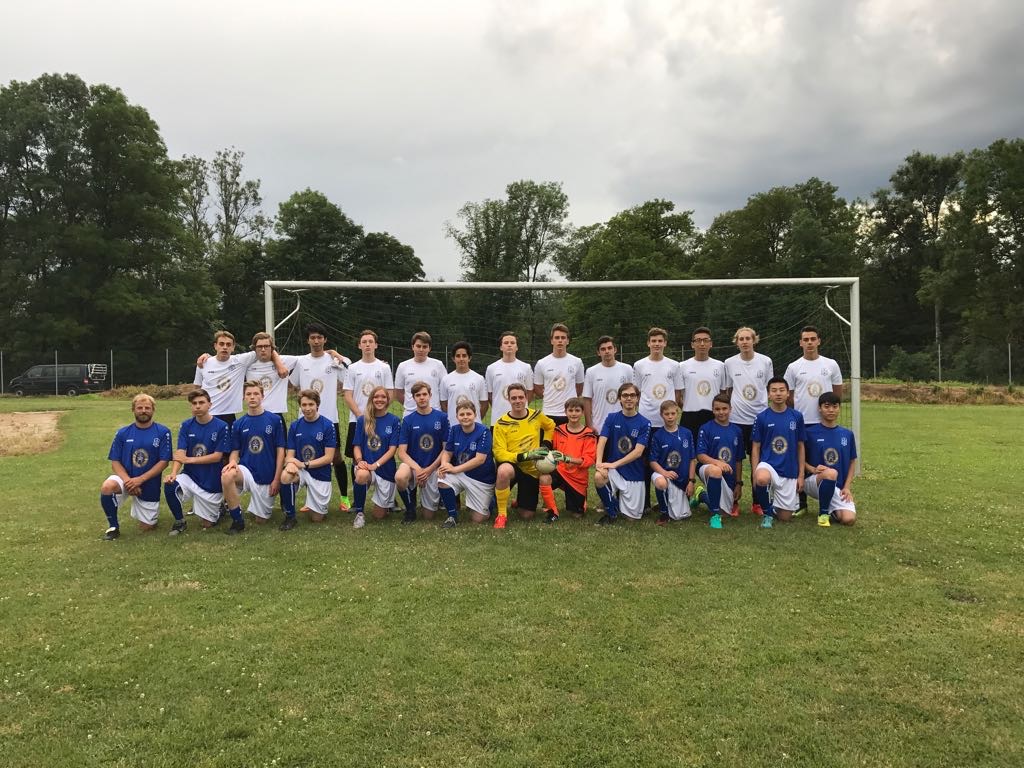
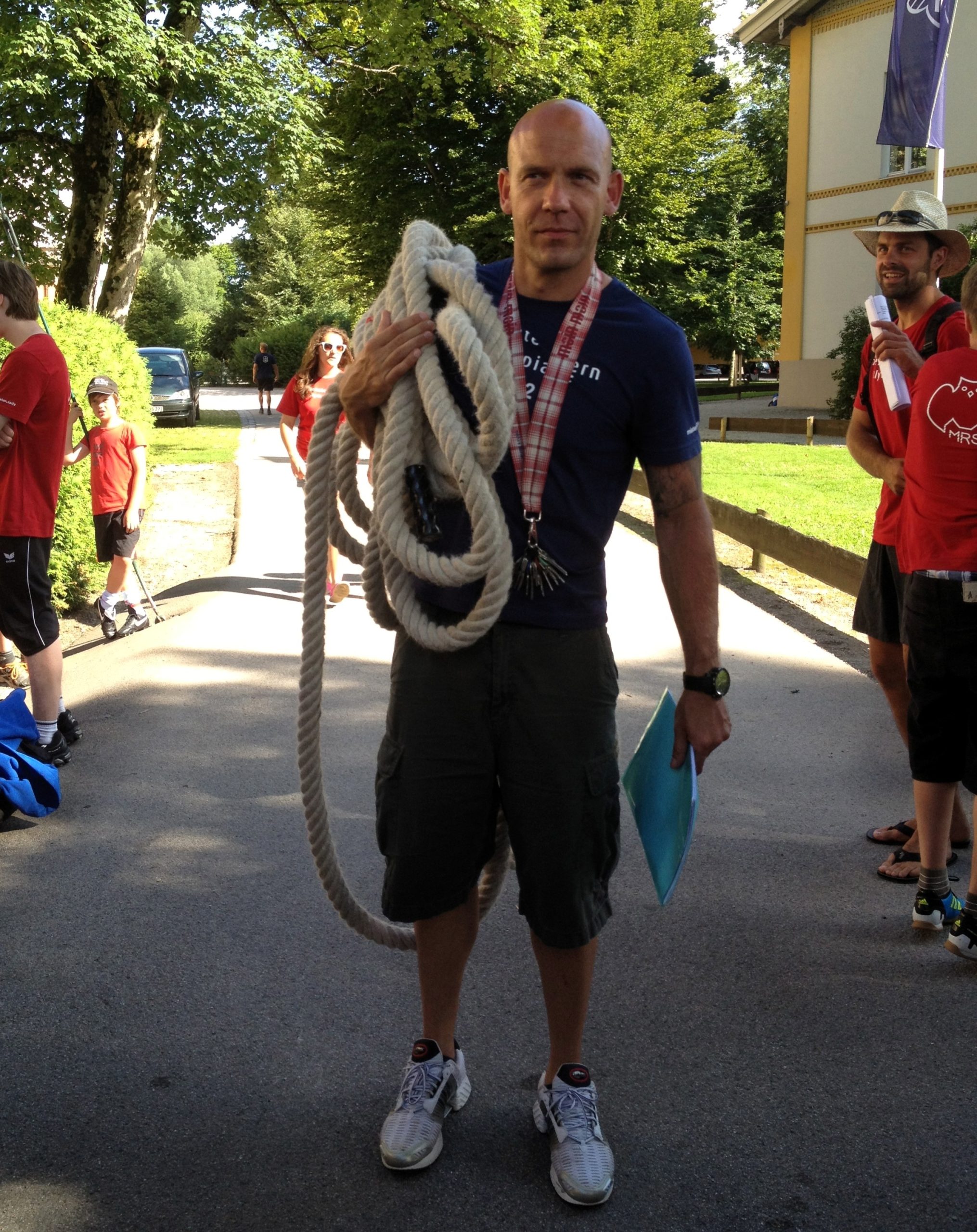
An absolute highlight every year was the Boarding School Olympics. Defeating the other boarding schools with your friends and teammates was simply an incredible feeling. The overall victory in our own Schloss was, of course, unforgettable – pure goosebumps!
Looking back, the boarding school was more than just a place to learn for me – it was a second home where one grew up without really noticing it. Carefree, vibrant, and full of stories that one never forgets.
– Friedrich Hörmann | Bielefeld
“The mathematics train had definitely left the station for me; I still haven’t seen the light at the end of the tunnel. Nevertheless, I managed to pass my Abitur – thanks to the loving care of my teachers and Educators, whose nerves I gladly and frequently tested thoroughly for six long years.”
Anna-Sophie Freinecker | Abitur 2012
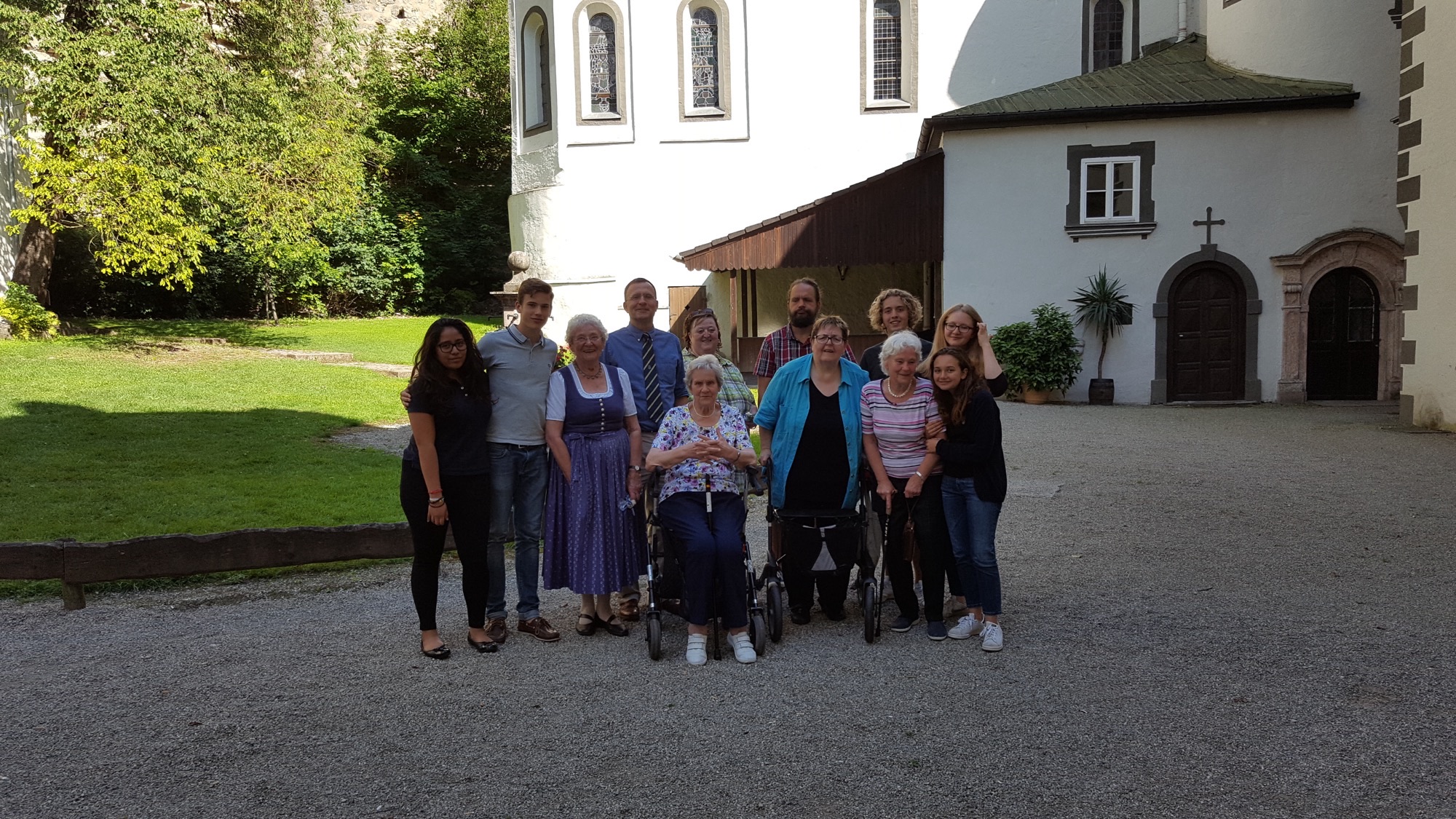
We extend our heartfelt thanks to Theresia Schilling and all Altsteinerinnen and Altsteiner who shared their memories and insights with us. Your stories lend life and authenticity to this retrospective of the 2010s – and demonstrate how strong the connection to Stein remains to this day.
To provide the best experiences, we and our partners use technologies like cookies to store and/or access device information. Consenting to these technologies will allow us and our partners to process personal data such as browsing behavior or unique IDs on this site and show (non-) personalized ads. Not consenting or withdrawing consent, may adversely affect certain features and functions.
Click below to consent to the above or make granular choices. Your choices will be applied to this site only. You can change your settings at any time, including withdrawing your consent, by using the toggles on the Cookie Policy, or by clicking on the manage consent button at the bottom of the screen.