haeder wseminar2

Modern Education: Learning to Work Scientifically

November | 2026

Finding a topic, developing one’s own research questions, researching, analyzing, and preparing the results in a scholarly manner: as part of the W-Seminars, students at the upper secondary level engage intensively with a self-chosen subject area over an extended period. In doing so, they can choose from a diverse range of seminar subjects and topics. In addition to the topics currently chosen in Geography and Politics & Society, the selection also includes, for example, English, History, Art, Chemistry, Sport, and Ethics, depending on interest and availability.

For the current 13th grade, an important milestone now lies ahead: the seminar papers must be submitted on November 11, 2026, followed by the presentations in January 2027. The students have spent over a year intensively engaging with their topics – from social and political questions to geographical connections and global challenges. Here is a small insight into the two current seminars:

Natural Disasters and Climate Change: A Look at Germany and the World

“We are the first generation to feel the effects of climate change, and the last generation that can do something about it.”

Barack Obama

In Mr. Glotz’s Geography W-Seminar, everything revolves around natural disasters and the question of how climate change influences their frequency and impact. Floods, storms, landslides, wildfires, and extreme temperatures have repeatedly made headlines in Germany in recent years as well.

The students examine various natural events and their causes. These include, for example, the flooding in the Ahr Valley in 2021, the heatwaves in Europe, storm Kyrill and the wildfires in Greece. In addition to analyzing specific events, they engage with the underlying climatic processes, the influence of human activity and possible future scenarios. Recommendations for action in dealing with the challenges of climate change also play an important role.

South Africa: Experiencing History, Politics and Culture Up Close

“Education is the most powerful weapon which you can use to change the world.”

Nelson Mandela

This quote is emblematic of the Politics and Society W-Seminar led by Mrs. Lechner. Under the title “South Africa – History, Politics and Culture,” the students engage with the country’s turbulent history, its political developments and its cultural diversity.

A particular focus lies on educational institutions and social aid projects. These include, for example, programs for street children, football camps aimed at preventing school dropout and crime, as well as orphanages and children’s hospices in the townships.

Theory and practice are combined in a special way in this seminar: the seminar group is currently on a study trip to South Africa. In Cape Town, Johannesburg and Durban, the students visit various institutions and aid projects, gaining direct insight into the realities of life there. These encounters and experiences complement the intensive preparatory work and make many of the previously covered topics tangible.

We look forward to the results of the current seminar papers and the projects that will emerge in the new W-Seminars in the coming months.

Modern education and upbringing:

The World's Oceans—The Basis of Life and the Scene of Global Crises

Modern Education: The Geography W-Seminar

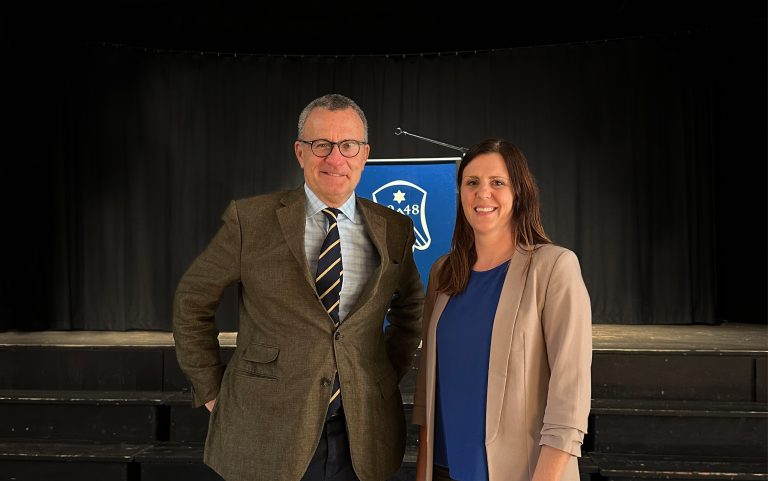
The seminar paper by Jien He, now a high school graduate, focuses on the world’s oceans as the foundation of life and the setting for global crises. Using international shipping as an example, the paper illustrates the central role the oceans play in the economy, the environment, and the sustainable development of our future.
f6de3f44 497e 491f bec0 e732ab2635af

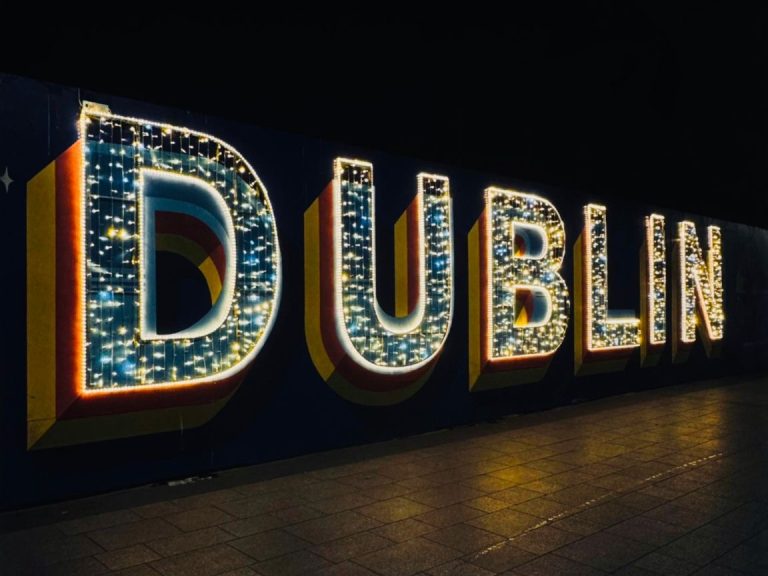
P-Seminar: Write and Roll to Dublin

In the P-seminar “Write and Roll to Dublin”, Year 11 pupils took an in-depth look at Irish literature, culture and professions related to writing and travel. The project concluded with a joint trip to Dublin with presentations at selected locations in the city.

Ziegler koch haeder

Our rehearsal week

For many children – and also for their parents – the transition from Year 4 to grammar school is an important step. Mrs. Koch, principal, explains how the trial lessons work.

whatsapp image 2026 03 20 at 15.57.412

Modern education: The W-Seminar History

Anna Kranzbühler García’s seminar paper is dedicated to a chapter of regional Nazi history that has received little attention to date and impressively demonstrates the contribution that school-based research can make to the culture of remembrance.