Stein in History: The Boarding School Olympics
Stein in History: The Boarding School Olympics November | 2026

August | by Friedrich Hörmann
The 1970s were a time of social upheaval and cultural renewal. After the politically turbulent 1960s, marked by student protests and the emerging RAF, many people sought a new outlook on life—a mixture of a spirit of departure and the desire for greater freedom and personal development. In the midst of this dynamic period, the school landscape was also changing, and Schule Schloss Stein was no exception.
While the outside world was gripped by great changes, Schule Schloss Stein offered its pupils a sheltered upbringing in a family environment throughout the 1970s. Under the leadership of Olaf and Angelika Ziegler, Schloss Stein was a place of security, where the children grew up as part of an extended family of sorts. The Ziegler family and most of the pedagogical team, many of whom had small children themselves, created an environment marked by closeness, trust, and a lively everyday life. As Mrs. Angelika Ziegler recalled in retrospect: “There was always something going on, whether game nights, craft hours, or simply walks together to the Nepumuk (a small pilgrimage memorial at the end of the Schöne Allee)—we lived together as one big family.” This special atmosphere made boarding school life an unforgettable time for the pupils.
The state recognition of Schule Schloss Stein in 1975/1976 was not only an administrative achievement but also brought about significant changes. Through official recognition, the school was now able to hold the Abitur examinations on site, marking an important step in the further development of its educational offerings. At the same time, the recognition led to a restructuring of the teaching staff. Teachers who had until then taught without the required Bavarian state certification unfortunately had to leave the school. This was a difficult but necessary step to meet the new requirements and further improve the quality of education. Despite these challenges, state recognition represented a major advance, enabling the school to offer its pupils an even more comprehensive and quality-oriented education. Leading this endeavor was Ludwig Moosbauer, the headmaster at the time, who fulfilled the state’s requirements with great dedication and persistence.
The 1970s at Schule Schloss Stein were marked by remarkable initiative on the part of the student body. The pupils took on responsibility and actively contributed to shaping their surroundings. An outstanding example of this was the renovation of the club room and today’s café. Under the guidance of educator Mr. Schraut, the young people pitched in themselves, using old bricks from a former pigsty for the flooring, and created spaces they proudly presented to the entire school community. Angelika Ziegler recalls: “In the end, everyone was so proud that the music could be heard throughout the cellar vaults.” These projects not only fostered practical skills but also provided an opportunity to plan evening theater rehearsals, write letters to parents, play board games, and generally spend time together.
The spirit of the 1970s was reflected not only in the pupils’ activities and projects but also in their clothing style. Students of the 1970s often wore the fashion of the era—from colorful bell-bottoms to funky shirts to typical hippie accessories. Comparing the Abitur photos from the 1970s with those from earlier years, the difference is striking. The pupils pictured show a clearly freer, more individual style, reflecting the cultural and social changes of the time. This development is a visible sign of the new spirit of the age and the creative forms of expression that characterized the 1970s.
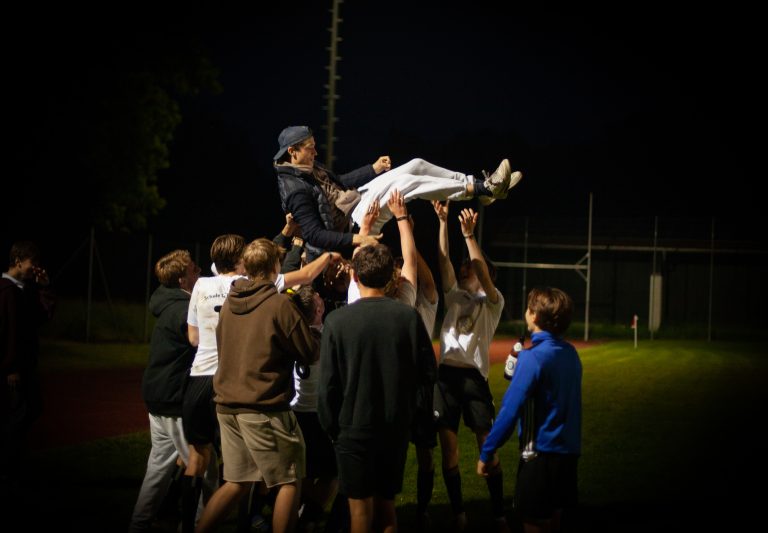
As already noted in the 1975 annual report, Goethe recognized: “Shared activities and pastimes are the first things in which mutual harmony reveals itself.” In this spirit, pupils, teachers, and educators spent a great deal of time together, especially in sporting activities and in nature. At the latest during the traditional students-versus-teachers football tournament, all sports enthusiasts could show off their skills. A special highlight of this period was the renovation of the riding stable at Schloss Stein, carried out at the initiative of the pupils.
Social life also flourished at Schloss Stein in the 1970s. The traditional summer festivals, still held outdoors under the old chestnut trees, and the parties in the newly renovated club room, were true highlights of the school year. Weekends were shaped by countless ideas from pupils and educators. Meticulously planned plays were performed, and there was singing together. The children often preferred to stay at the boarding school rather than go home, enjoying their time with friends there.
For as Mrs. Ziegler so aptly put it: “Schloss Stein was and is more than just a school—it is a piece of home.”

Stein in History: The Boarding School Olympics November | 2026

When Ilse Wiskott founded the Landschulheim Stein in October 1948, it was not only a school that came into being, but a community whose bond was to extend far beyond the years spent together at the school.
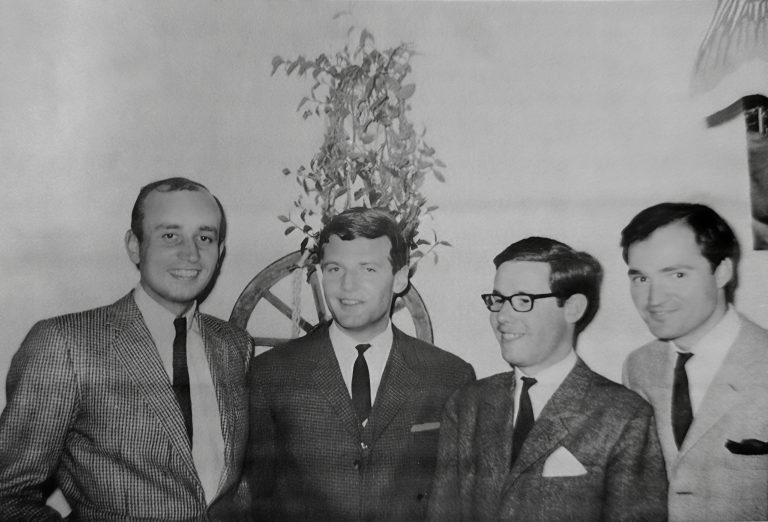
A journey back in time to 1965.
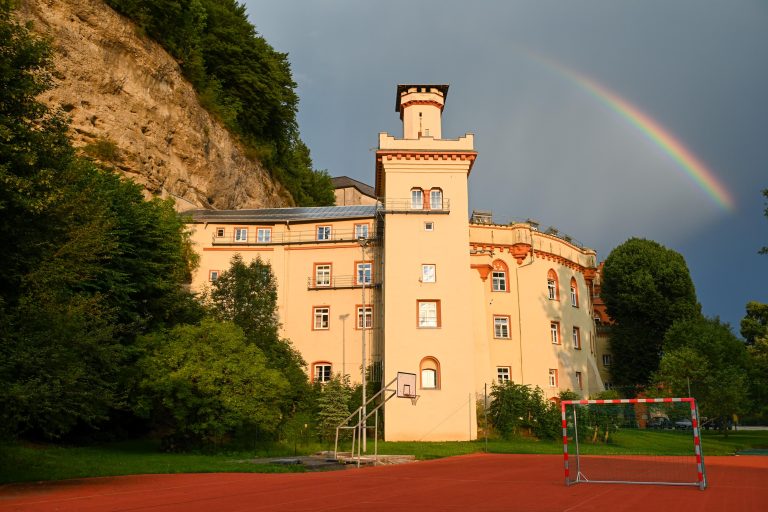
The graduating classes of 2020-2024 look back on years full of challenges, solidarity and unforgettable moments. Between corona, new projects at boarding school and personal experiences, they talk about what Stein meant to them during this special time.

New paths, significant changes – and memories that endure. The 2010s at Stein were a decade of great dynamism: The new Abitur, modern technology, new faces, and a strong sense of togetherness shaped daily life. Those who were here at the time recall not only lessons and examinations, but also community, friendships, and that special feeling of being at home in Stein.